


The industrial zone south Vietnam market is entering a new phase of expansion, driven by rising supply, improved regional infrastructure, and steady demand from manufacturing and logistics investors. Recent insights from Cushman & Wakefield show that the southern provinces are becoming one of the most dynamic industrial hubs in Southeast Asia.
Strong Supply Growth After Administrative Adjustments
Following recent changes in administrative boundaries, the total leasable industrial land supply in the southern key region has reached approximately 34,400 hectares, marking a 17% increase compared to the previous period. This growth reflects ongoing urban planning and the authorities’ efforts to optimize land use in the South. Investors now have a wider range of options for selecting suitable locations according to their operational needs.
Ho Chi Minh City continues to lead with 47% of the industrial land, while satellite provinces such as Binh Duong, Dong Nai, Long An, and Ba Ria–Vung Tau are expanding their industrial footprints. These provinces are gradually becoming complementary hubs, supporting production and logistics activities beyond the core city. This expansion allows for better distribution of industrial activities across the region.
Several new industrial zones have also begun construction, such as Thu Thua Industrial Park with more than 100 hectares—offering fresh opportunities for sectors like electronics, materials, plastics, and steel that are actively shifting their production to Vietnam. These new projects contribute to job creation and can stimulate local economic development. Over time, the added supply is expected to enhance competitiveness and provide flexible choices for both domestic and foreign investors.
Stable Demand Despite Lower Occupancy
As new supply increases rapidly, the occupancy rate in the south has decreased to around 75% in Q3 2025. However, this decline is not a sign of weakening demand, but rather a natural effect of a market entering a new expansion cycle. The market is simply absorbing the influx of new industrial land, giving tenants more choices for location and facility type. Overall interest from investors remains consistent as companies plan their long-term production strategies.
Investors still maintain stable demand in southern industrial zones, showing confidence in long-term growth potential. Companies continue to explore strategic locations to expand their operations, taking advantage of improved infrastructure and connectivity. This steady demand indicates that the region remains attractive despite short-term fluctuations in occupancy rates.
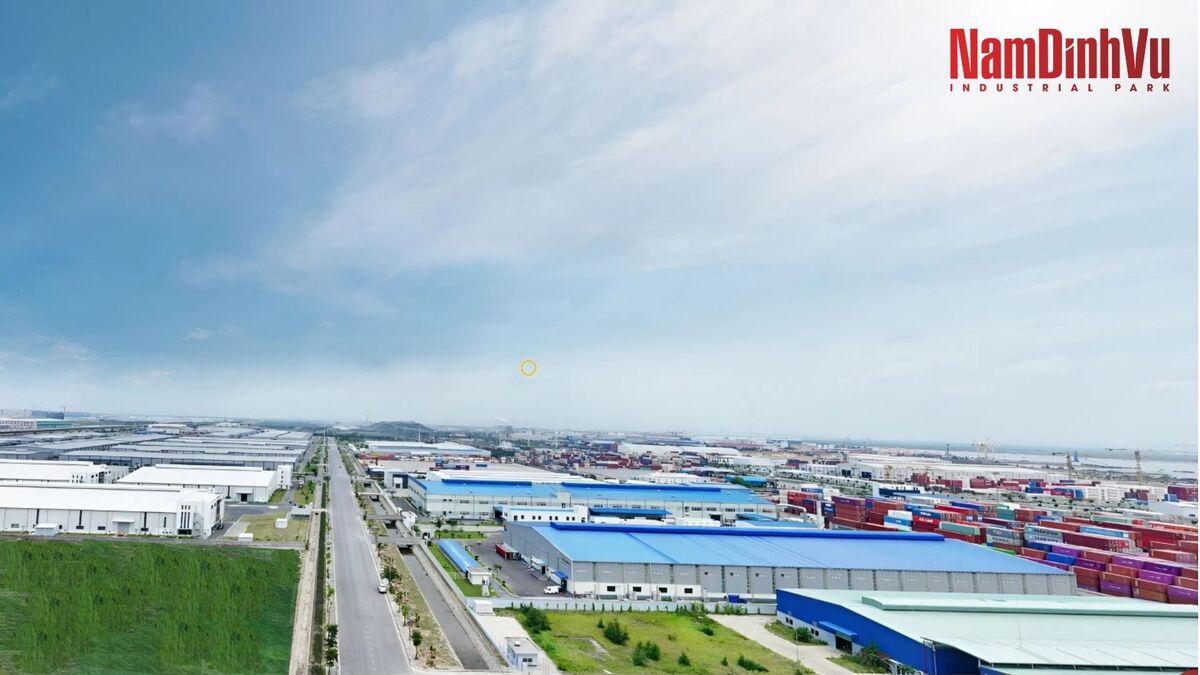
Key manufacturing sectors—including electronics, high-tech components, PCB production, and materials—continue to show stable land-leasing demand. These industries are increasingly seeking modern, ready-to-use facilities to optimize operations. Industrial land prices in the region have slightly increased to an average of USD 180/m² per lease cycle, reflecting investor confidence in the long-term growth prospects of southern Vietnam. The upward price trend also signals a healthy balance between supply and sustained demand.
Growth Drivers: Inter-regional Infrastructure & Emerging Industrial–Urban Ecosystems
The industrial zone south vietnam market is gaining momentum from major infrastructure developments:
- The ring-road system connecting Ho Chi Minh City – Binh Duong – Dong Nai
- New expressways expanding toward Long An and Tay Ninh
- The Cai Mep – Thi Vai deep-sea port cluster increasing capacity
- More advanced logistics and warehousing networks
These improvements are enabling the formation of a new “industrial–urban mega-ecosystem”, where R&D, finance, manufacturing, logistics, and seaport operations are seamlessly connected. By 2028, the region is expected to introduce more than 7,300 hectares of additional industrial land.
In conclusion, with expanding supply, synchronized infrastructure, and sustained demand from high-tech sectors, industrial zone south vietnam is entering a robust growth cycle. This creates a prime window of opportunity for manufacturers and investors looking to scale operations and capture the ongoing global supply chain shift.