


Vietnam Industrial Park List
Vietnam’s industrial ecosystem is undergoing rapid structural transformation following a series of administrative mergers completed in mid-2025, which consolidated several provinces and expanded urban jurisdictions. This shift has significant implications for industrial real estate, economic planning, and foreign direct investment (FDI) attraction strategies across the country.
An Integrated National Industrial Park Network (1)
Rather than viewing industrial parks as isolated sites, policymakers and investors increasingly see them as components of integrated regional industrial systems. This shift reflects a broader approach to industrial development that emphasizes connectivity, coordination, and long-term planning across regions. According to sector research and market data from 2025, Vietnam now has over 400 established industrial parks nationwide, with a substantial portion already operational and contributing to domestic and export-oriented manufacturing. These industrial parks collectively form a foundational platform supporting Vietnam’s manufacturing growth and industrial upgrading.
This network spans northern, central, and southern regions, creating a more balanced industrial geography that supports logistical linkages, workforce distribution, and supply chain resilience. Such regional diversification helps mitigate concentration risks while enhancing overall system efficiency. Northern hubs benefit from proximity to major infrastructure corridors and international gateways, central regions link manufacturing with port logistics, and southern clusters capitalize on export connectivity and integrated urban-industrial zoning. Together, these regional clusters reinforce Vietnam’s position as a flexible and competitive manufacturing destination in Southeast Asia.
Strategic Growth and Economic Priorities (2)
Industrial parks are widely recognized as key engines of Vietnam’s economic growth and export performance. As of early 2025, industrial zones across the country continue to maintain high occupancy rates, reflecting sustained demand from both domestic enterprises and multinational corporations seeking to diversify supply chains within Southeast Asia. This steady absorption underscores the role of industrial parks as foundational infrastructure supporting manufacturing expansion, job creation, and export-oriented growth.
Importantly, national development planning places strong emphasis on the continued expansion and modernization of industrial park infrastructure. According to government-endorsed plans, Vietnam aims to expand total industrial park land to approximately 181,000 hectares by 2030, increasing the number of industrial parks nationwide and enabling the formation of larger, more specialized industrial clusters . This strategic expansion is designed not only to accommodate rising investment demand, but also to enhance manufacturing capacity and improve Vietnam’s competitiveness in higher-value industries.
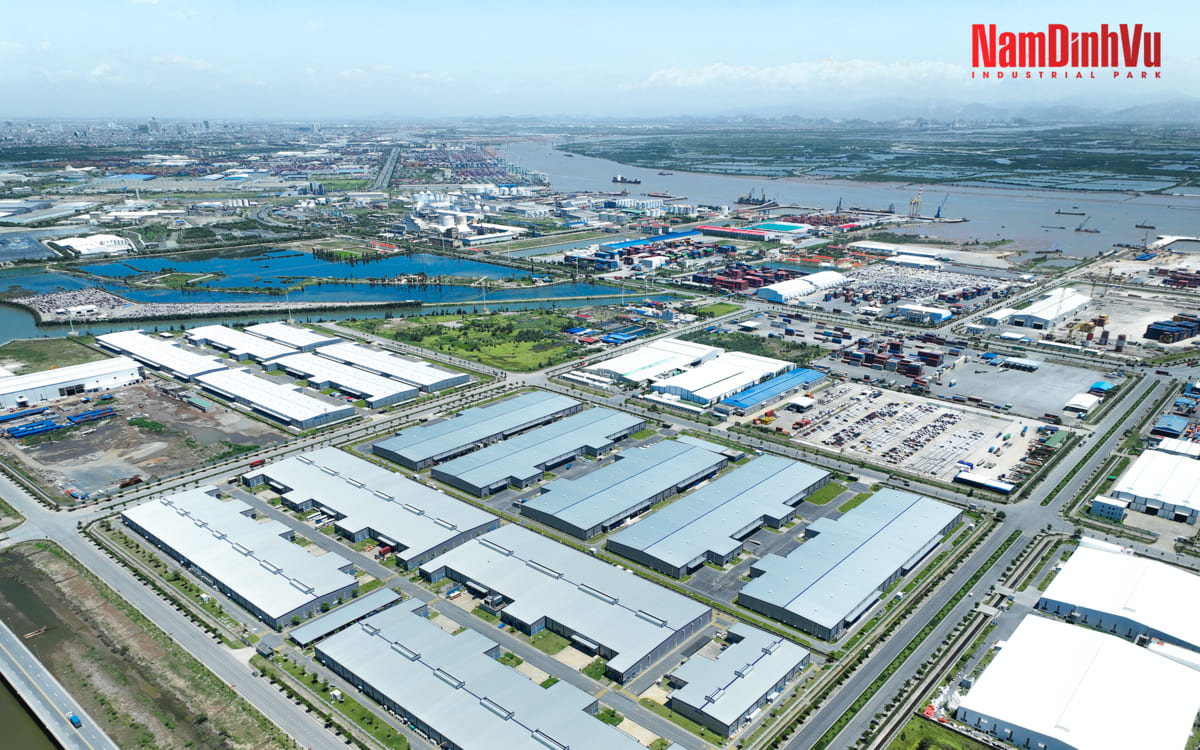
Beyond scale, policy direction increasingly focuses on quality and sustainability. Future industrial parks are expected to integrate modern infrastructure, digital connectivity, and cleaner energy solutions, aligning with Vietnam’s broader economic priorities and international commitments. By positioning industrial zones as integrated value-chain hubs rather than standalone production sites, Vietnam is strengthening its ability to attract high-quality capital, advanced technology, and long-term investment partnerships—reinforcing the industrial sector’s role as a cornerstone of national economic development through the end of the decade
Post-Merger Regional Dynamics (3)
The mid-2025 administrative mergers marked a significant shift in how regional authorities manage economic development and industrial planning. Major economic centers such as Ho Chi Minh City—expanded through the integration of Bình Dương and Bà Rịa–Vũng Tàu—and Hải Phòng, following its expansion with Hải Dương, now oversee broader industrial territories under more unified governance structures. This consolidation is widely viewed as a step toward more coordinated regional planning, allowing authorities to align infrastructure development, land-use strategies, and investment policies more effectively. As a result, administrative processes are expected to become more streamlined, supporting clearer development roadmaps for industrial growth.
Beyond the largest metropolitan hubs, several expanded provinces and established industrial regions are also gaining increased attention. Areas such as Đồng Nai, following its administrative expansion to include Bình Phước, along with long-standing industrial corridors like Long An, continue to benefit from favorable geographic positioning and relatively competitive land availability. These regions are increasingly perceived as complementary alternatives within the national industrial landscape, offering flexibility for manufacturers seeking diversified locations. Over time, such regions may play a larger role in supporting export-oriented production, supply chain distribution, and balanced regional industrial development across Vietnam.
Policy, FDI, and Future Prospects (4)
Vietnam’s industrial park development strategy continues to serve as a key magnet for both foreign and domestic investment, supported by a relatively stable policy environment and long-term economic planning. Over the years, industrial parks have attracted a large number of manufacturing and logistics projects, contributing meaningfully to job creation, export growth, and the gradual upgrading of production capabilities. Beyond capital inflows, these projects also play a role in facilitating technology diffusion, improving industrial standards, and strengthening linkages between local suppliers and multinational enterprises.
Looking ahead, national planning frameworks point toward continued expansion of the industrial park system in both scale and scope through 2030. The focus is not solely on increasing the number of parks, but also on improving quality through better infrastructure, clearer zoning, and alignment with sustainability and efficiency goals. This forward-looking approach supports Vietnam’s broader ambitions to move up the industrial value chain, foster more resilient manufacturing ecosystems, and maintain its competitiveness amid shifting global investment and trade dynamics.
In summary, the post-2025 administrative mergers mark an important structural shift in Vietnam’s industrial landscape. By consolidating planning jurisdictions and expanding regional industrial networks, Vietnam is strengthening the foundation for more coordinated development, efficient infrastructure deployment, and sustained investment attraction. As industrial parks continue to evolve in scale, quality, and integration, they are set to remain a central pillar supporting the country’s manufacturing growth and long-term economic competitiveness in the years ahead.
Source:
(1). KCN Nam Dinh Vu
(2). Vietnam Plus
(3). Sen Vang Data
(4). Luat Vietnam