


Vietnam’s industrial real estate market is entering a pivotal stage as both the Northern and Southern economic regions experience a surge in land supply, synchronized infrastructure upgrades, and strong FDI momentum. With administrative-unit mergers reshaping regional boundaries, industrial areas in Vietnam are expanding in scale, creating a new foundation for high-tech manufacturing and global supply chain integration.
Southern Industrial Areas: Strong Supply Growth and Stable Demand
Recent market data shows that industrial areas in Southern Vietnam are accelerating rapidly. According to Cushman & Wakefield’s Q3/2025 Marketbeat report, the total lease-ready industrial land supply in the South has reached approximately 34,400 hectares, a 17% increase compared with the pre-merger structure.
The third quarter of 2025 saw new supply entering the market, notably from Thủ Thừa Industrial Park in Tây Ninh, which alone added more than 100 hectares. Following the administrative restructuring, Ho Chi Minh City now contributes 47% of the South’s total industrial land, reaffirming its position as the region’s economic engine.
With a surge of new supply, occupancy rates temporarily declined to 75%, primarily due to slower absorption in provinces such as Bình Phước. However, leasing demand remains healthy, supported by fast-growing sectors including plastics, PCBs, electronic components, and steel manufacturing.
Looking ahead, the Southern region is expected to add approximately 7,300 more hectares by 2028. In combination with mega-infrastructure projects — expressways, logistics corridors, seaport expansions and ring roads — the South is evolving into a “super industrial-service metropolis.” This transformation enhances connectivity between industrial parks, ports, and logistics networks, giving investors a major long-term advantage. Despite supply growth, land rental prices continue to rise slightly, reaching around USD 180/m² per lease term in Q3/2025 — a strong indicator of market confidence.
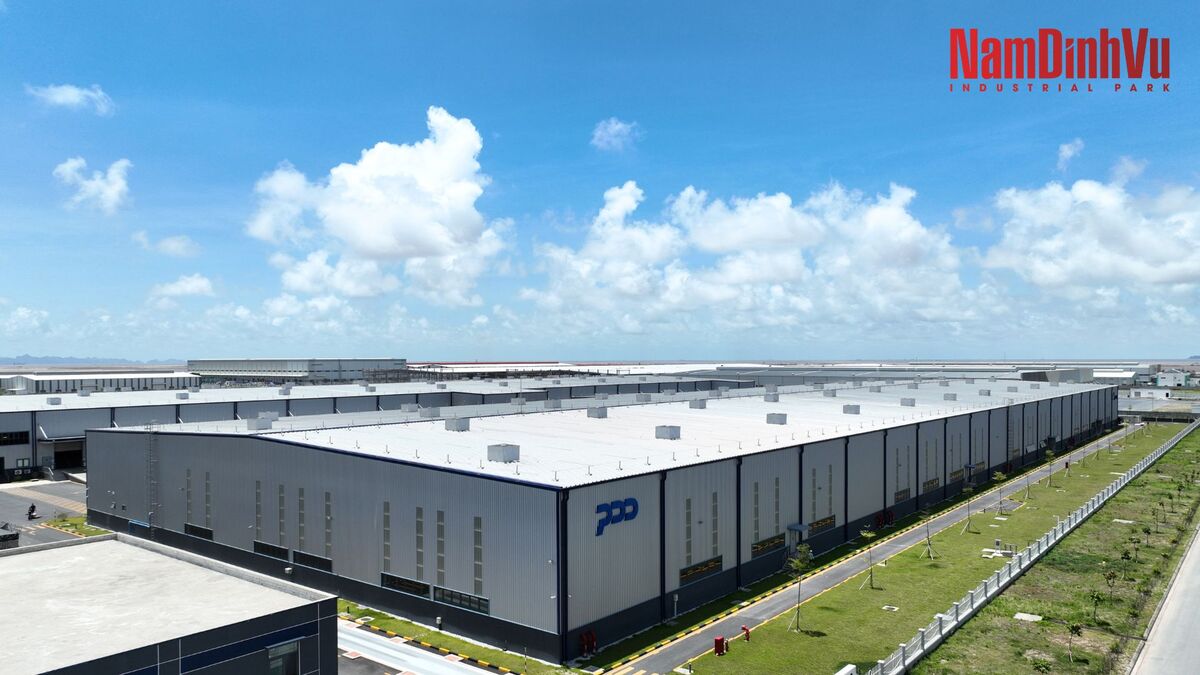
Northern Industrial Areas: Supply Surge and New Regional Dynamics
Industrial areas in Northern Vietnam are experiencing an even more pronounced supply expansion. Q3/2025 recorded more than 700 hectares of new industrial land, with the region’s total industrial supply climbing to 23,563 hectares — a substantial 37% jump after boundary adjustments.
Newly launched parks in Ninh Bình, Hải Phòng, and Phú Thọ have contributed significantly to this growth. As a result, the average occupancy rate in the North declined to 67%, largely due to new additions from provinces with slower leasing progress such as Bắc Giang and Phú Thọ.
Nevertheless, core markets remain strong. Hà Nội is nearly fully occupied, while Bắc Ninh continues to maintain an occupancy rate of around 75%. High-tech sectors — especially electronics, PCB manufacturing and precision components — continue to be the key drivers of industrial demand.
From 2025 to 2028, the North is projected to welcome an additional 6,500 hectares of industrial land. Ninh Bình is particularly emerging as a rising hotspot thanks to new large-scale projects such as Đồng Văn V and Đồng Văn VI Industrial Parks, providing nearly 500 hectares of new leasable land.
Infrastructure upgrades are further strengthening regional competitiveness, including the upgrade of Gia Bình Airport to an international 4E standard and the continued development of the North–South Expressway. These advancements are enhancing the connectivity between production centers and northern ports, solidifying the North as a strategic industrial and logistics hub.
A Unified Market: Toward a New Era for Industrial Areas in Vietnam
As both key regions expand simultaneously, industrial areas in Vietnam are entering a rare growth cycle characterized by:
- Rapidly increasing land availability
- Deepening infrastructure synchronization
- Enhanced inter-regional logistics and production linkages
- Rising interest from global manufacturers seeking stable, scalable destinations
The administrative-unit merger has also helped harmonize procedures, streamline resource allocation, and create a more cohesive industrial ecosystem across regions. With land rents in both regions either holding firm or gradually increasing, investor confidence remains strong.
Vietnam’s industrial real estate sector is shifting toward a new level of maturity, ready to support more complex and high-tech projects in global supply chains. As FDI continues to flow into manufacturing and supporting industries, the country is well-positioned to strengthen its role as a key industrial hub in Asia.
In conclusion, ưith synchronized expansion in both the North and South, industrial areas in Vietnam are stepping into a new era marked by greater scale, stronger infrastructure, and rising competitiveness. As supply increases and connectivity strengthens, Vietnam is rapidly solidifying its position as a magnet for high-quality industrial investment.
Source: Thi Truong Tai Chinh Tien Te