


Vietnam’s manufacturing growth is transforming the Vietnam industrial estate sector into dynamic regional ecosystems. Success in 2026 will depend on strategic site selection, infrastructure, and regional advantages. Businesses that understand these factors can better seize emerging opportunities across the country. Investors are increasingly looking beyond cost alone, focusing on connectivity, sustainability, and long-term operational efficiency.
Regional Divergence and Location Dynamics
Vietnam’s industrial estate landscape now consists of distinct regional clusters, each with unique strengths and challenges. In the north, proximity to China and integration with cross-border supply chains make it attractive for firms seeking time-sensitive manufacturing linkages. This closeness also allows Chinese investors to more easily coordinate production and logistics across the border, leveraging Vietnam as an extension of regional supply networks.
Central Vietnam, normally overlooked in the past, is positioning itself as a lower-cost, less congested alternative for companies that prioritize efficiency and are willing to trade scale for logistical ease. The region’s quieter industrial zones also appeal to businesses looking for smoother administrative processes and less competition for skilled labor.
Meanwhile, the south continues to attract the largest volume of foreign direct investment due to its diversified industrial base and market accessibility, although it faces rising labor costs and congestion that create strategic trade-offs for new entrants. Chinese manufacturers in particular are evaluating the southern hubs carefully, balancing market access against operational expenses and long-term scalability.
Infrastructure Transformation and Investment Timing
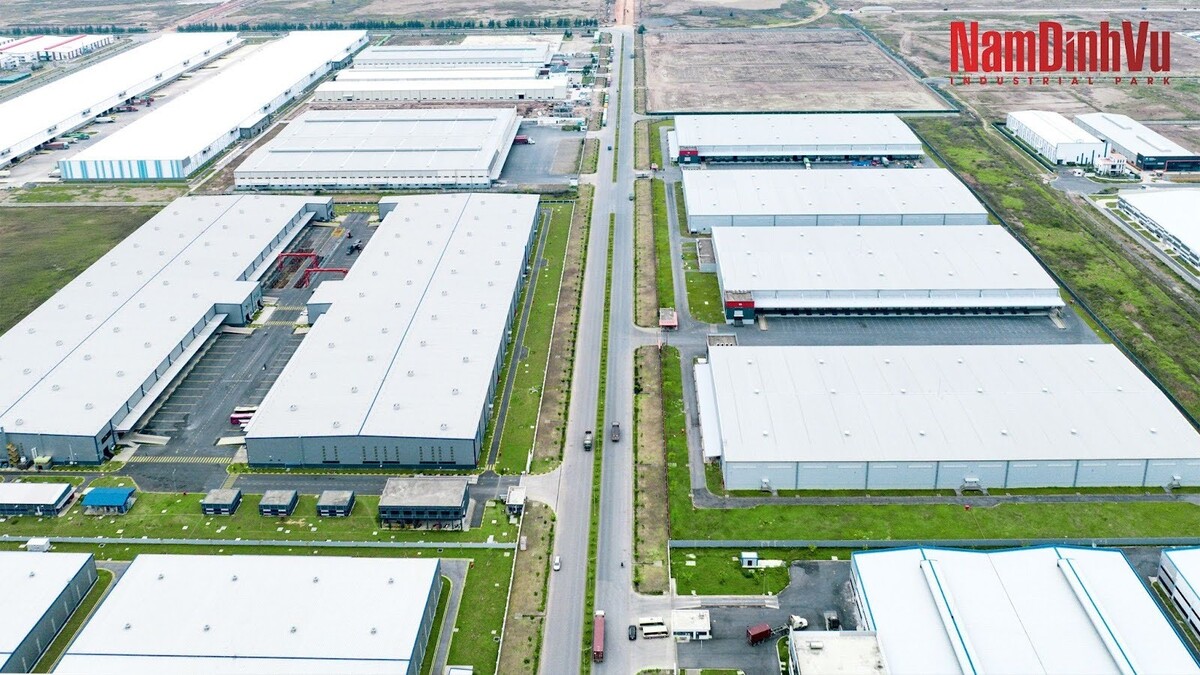
Infrastructure developments are playing a crucial role in redefining the Vietnam industrial estate map, often progressing faster than policy frameworks can adapt. In addition to major transport links, local road improvements and upgraded utility networks within industrial zones are helping to enhance operational efficiency for tenants.
Major projects such as new international airport connections and logistics corridors are shifting the industrial gravity of regions once considered secondary destinations by improving connectivity to ports and trade routes. These developments also make it easier for businesses to plan expansion and manage supply chains with more predictable timelines.
For investors, this progress creates potential opportunities but also timing risk. Infrastructure improvements often outpace legal and regulatory changes, meaning that what appears advantageous today may evolve before associated policies are fully established. Careful monitoring of ongoing construction and phased implementation plans can help companies mitigate unforeseen challenges.
Strategic Decision-Making in a Complex Market
The biggest strategic risk for investors in Vietnam’s industrial estate sector today is oversimplification. Treating the market as a uniform destination can lead to suboptimal decisions because incentives, labor availability, land pricing, and logistics efficiency can vary widely even within the same industrial corridor. Careful consideration of local regulations and facility standards is essential to avoid unexpected operational challenges.
To succeed in 2026 and beyond, companies need tailored business intelligence that goes beyond headline cost comparisons — such as analysis that is sector-specific, location-specific, and time-sensitive. Monitoring emerging trends in workforce development, transport improvements, and utility provision can help investors refine their strategic planning.
As the industrial landscape matures, businesses that take the time to understand regional policy priorities, infrastructure alignment, and long-term operational implications will build greater resilience and competitiveness in their Vietnam industrial estate investments. Those who integrate continuous market assessment into decision-making are more likely to capitalize on growth opportunities and maintain stable occupancy levels.
In conclusion, the Vietnam industrial estate landscape is entering a more sophisticated phase of development in 2026. Investors and manufacturers who move beyond simplified site selection methods and embrace regional complexity will be better equipped to harness the country’s evolving competitive advantages. Robust infrastructure, emerging regional hubs, and informed strategic choices will define success in this next stage of industrial growth.
Source: Vietnam Briefing