


Vietnam’s industrial real estate sector is showing strong signs of resurgence in 2025. With rising demand, large-scale investments, and improved infrastructure and regulatory framework, vietnam industrial parks are re-emerging as strategic hubs for manufacturing, logistics, and global supply‑chain integration.
Demand Surge & FDI Momentum Fueling Industrial Parks
The rebound in industrial demand is forming the core foundation for renewed interest in Vietnam’s industrial parks. While FDI pledges grew only slightly compared with the previous year, actual disbursement reached US$21.68 billion, marking a 7.1% increase. This surge shows that foreign investors are actively deploying capital, reinforcing confidence in Vietnam’s industrial sector. It also indicates that the market is responding to real investment rather than just announcements.
Major global players are accelerating their presence in Vietnam, with 2024 seeing commitments from leading tech, semiconductor, and manufacturing firms. Many are establishing production lines or R&D operations, reflecting confidence in the country’s long-term stability. Their entry demonstrates that Vietnam remains a competitive and reliable destination for multinational investment, while also encouraging the development of local supporting industries.
On the domestic side, developers are scaling up to meet rising demand. Several industrial real estate companies have launched multiple projects, adding nearly 400,000 m² of ready-built factories, warehouses, and mixed-use industrial facilities. This proactive approach ensures that supply keeps pace with demand, giving tenants faster access to move-in-ready facilities. It also shows growing confidence among local developers in the continued expansion of Vietnam’s industrial market.
As a result, sectors such as electronics, machinery, plastics, metal fabrication, and logistics are seeing rising demand for industrial land and ready-built facilities. The diversified demand highlights the increasing importance of Vietnam’s industrial parks in global and regional supply chains. It also underscores how industrial parks are evolving to serve a wider range of industries and production needs, reinforcing Vietnam’s strategic role in Asia’s manufacturing network.
Supply Expansion & Upgrading of Vietnam Industrial Parks Infrastructure
To match rising demand, supply-side growth in Vietnam’s industrial parks has accelerated. Developers are expanding capacity by building new ready-built factories and warehouses, while also upgrading infrastructure and improving regulatory frameworks to make leasing and investment more attractive. These efforts help ensure that investors can deploy capital efficiently and access facilities that meet international standards. They also signal the industry’s proactive response to both domestic and foreign demand trends.
This wave of modernization reflects a broader shift in the industrial park model. Parks are no longer just plots of land but full-fledged industrial ecosystems, including factories, warehouses, logistics support, and in many cases sustainable or green development standards. This transformation makes Vietnam’s industrial parks more appealing for companies seeking integrated solutions. It also positions them to meet growing expectations for ESG compliance and high-tech manufacturing.
Rental markets illustrate the impact of these developments. While a surge in supply could have led to oversaturation, rents in well-located, high-quality industrial parks remain resilient. Demand continues to outpace supply in many areas, sustaining stable or rising rental prices. This stability reassures investors that leasing remains profitable and that high-quality parks will continue to attract tenants even as the market expands.
The balance between expanding supply and rising demand strengthens investor confidence in the long-term potential of Vietnam’s industrial parks. Both foreign and domestic investors can plan projects with more certainty, knowing that the market supports continued growth. This dynamic also encourages further investment in infrastructure and facility upgrades, ensuring the sector remains competitive in the region.
Strategic Advantage: Vietnam Industrial Parks as Global Supply‑Chain Hubs
Vietnam’s industrial parks are gaining a competitive edge thanks to a combination of favorable factors:
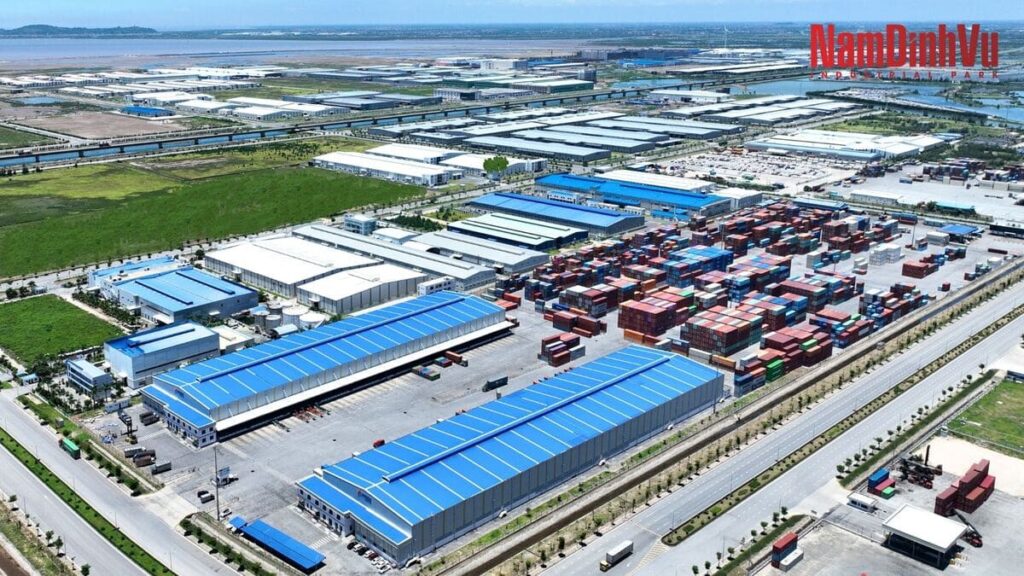
- Strong macroeconomic fundamentals & FDI support — The significant volume of committed and disbursed foreign capital suggests global manufacturers view Vietnam as a stable, reliable base for production.
- Diversified sectors and flexible infrastructure — From electronics to plastics, logistics to manufacturing — Vietnam industrial parks now support a wide range of industries, offering both raw‑land leasing and ready-built factory/warehouse options.
- Improving regulatory & infrastructure environment — Upgrades in transport, logistics networks, and more transparent industrial‑real estate frameworks help reduce operational risks and speed up time-to-market for investors.
- Growing demand for ready-built, green, and sustainable industrial space — As international standards shift toward environmental responsibility and operational efficiency, industrial parks that offer modern, sustainable facilities stand to attract premium tenants.
Thanks to these advantages, Vietnam industrial parks are becoming central nodes in global supply‑chain strategies, offering investors a balanced mix of growth potential, scalability, and long-term stability.
In conclusion, As demand rises, supply scales up, and infrastructure improves, Vietnam industrial parks are well-positioned to benefit from the global shift in manufacturing and supply chains. For businesses and investors looking for growth, flexibility, and long‑term returns, now is a prime moment to consider industrial real estate in Vietnam — a market poised for expansion and transformation.
Source:The Saigon Times