


The ready-built warehouse market in Vietnam continues to demonstrate resilience despite global economic uncertainties. Both supply and demand have grown steadily, supported by manufacturing expansion and rising logistics needs, reinforcing the country’s position as a key industrial hub.
Expanding Supply Meets Diverse Industrial Needs
Vietnam’s total ready-built warehouse supply reached approximately 4.4 million sq.m across both northern and southern regions. This figure reflects a continued expansion of the market in line with industrial development trends. It also indicates that Vietnam remains an attractive destination for logistics and storage investment.
In the North, newly added space of 256,000 sq.m brought total supply to over 2.04 million sq.m, while the South recorded around 2.4 million sq.m, marking an 11.2% year-on-year increase. This growth highlights the balanced development between the two key economic regions. It also shows how both markets are keeping pace with rising tenant demand.
Developers have actively expanded and adapted their offerings, focusing on multi-story and flexible warehouse models. These designs help optimize land use and better serve a wide range of tenants, especially in high-demand industrial zones. At the same time, such innovations reflect a broader shift toward more efficient and modern industrial infrastructure.
Looking ahead, new supply is expected to continue rising, with 683,000 sq.m planned in the North and 313,000 sq.m in the South, mainly concentrated in key industrial provinces. This upcoming pipeline suggests a strong level of confidence from developers in future market performance. It also indicates that supply will continue to evolve to meet changing business requirements.
Warehouse Demand Vietnam Driven by Manufacturing and Logistics
Leasing demand remained stable throughout the year, highlighting the strength of warehouse demand Vietnam. This stability reflects the underlying resilience of the industrial and logistics sectors. It also suggests that demand fundamentals remain solid despite broader market fluctuations.
In the North, total net absorption reached 236,000 sq.m, up 13% year-on-year, with 125,000 sq.m absorbed in Q4 alone, exceeding the combined total of the previous three quarters. This strong year-end performance indicates a surge in leasing activity during the final months. It also demonstrates how tenants accelerated expansion plans to meet operational needs.
Meanwhile, the South recorded even stronger performance, with annual absorption reaching 453,000 sq.m, a more than 70% increase compared to 2024. This sharp growth underscores the region’s role as a key logistics and manufacturing hub. It also reflects the continued expansion of both domestic and international enterprises.
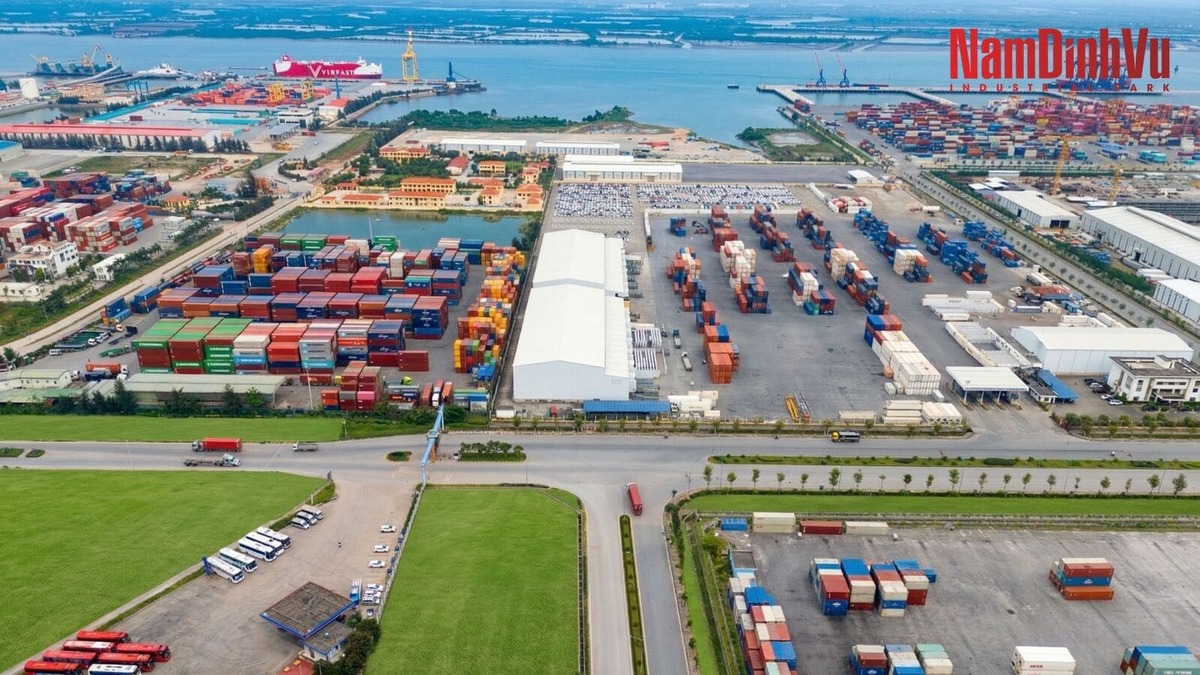
Demand has been primarily driven by the expansion of manufacturing activities, alongside the rapid growth of third-party logistics providers seeking to scale up their operations. In addition, seasonal increases in domestic consumption have further supported warehouse leasing activity. Together, these factors have reinforced consistent occupancy levels and sustained market momentum, even amid external economic pressures.
Rental Growth and Market Outlook Remain Positive
Rental prices continued to rise moderately across both regions. This upward trend reflects sustained leasing demand and improving market confidence. It also indicates that the sector continues to maintain stable growth despite increasing supply.
In Northern Vietnam, rental rates reached US$4.93/sq.m/month, up 6.62% year-on-year, while Southern Vietnam recorded US$5.04/sq.m/month, with slight increases on both a quarterly and annual basis. These figures highlight relatively balanced pricing dynamics between the two regions. They also suggest that rental growth remains steady rather than volatile.
Growth has been mainly driven by higher rents in newly launched projects, while existing properties maintained relatively stable pricing. This indicates a clear differentiation between new-generation facilities and older stock. It also reflects tenants’ willingness to pay a premium for better-quality space.
Despite increasing supply, effective rents remain competitive thanks to flexible leasing incentives offered by developers. At the same time, the market is evolving toward higher-quality facilities and optimized designs, enhancing operational efficiency for tenants. This ongoing shift is expected to support the long-term attractiveness of the ready-built warehouse segment.
Overall, Vietnam’s ready-built warehouse sector is entering a phase of balanced and sustainable growth. With expanding supply, steady absorption, and resilient rental levels, warehouse demand in Vietnam is expected to remain strong, particularly as manufacturing and logistics continue to drive long-term market momentum.
Source: Vietnam News