


According to the Vietnam Industrial Real Estate Market Report Q2 2026, Vietnam’s industrial property sector maintained strong momentum during the second quarter, supported by continued foreign direct investment (FDI), manufacturing expansion, and ongoing infrastructure development. The report highlights resilient demand for industrial park land for lease, ready-built factories (RBFs), and ready-built warehouses (RBWs), reinforcing Vietnam’s position as an attractive manufacturing destination in Southeast Asia.
Industrial Park Land for Lease Market Performance in Q2 2026
The report indicates that Vietnam’s industrial real estate market continued to outperform many other commercial property segments during Q2 2026. Continued FDI inflows, manufacturing expansion, and supply chain diversification across Asia remained the main drivers of demand for industrial land and ready-built industrial facilities, particularly in the key industrial provinces surrounding Ho Chi Minh City and Hanoi.
Despite increasing supply in several industrial markets, occupancy levels remained healthy across established industrial parks. The report also notes that industrial land rental rates remained generally stable with moderate growth during the reporting period, reflecting continued demand from manufacturers and logistics operators.
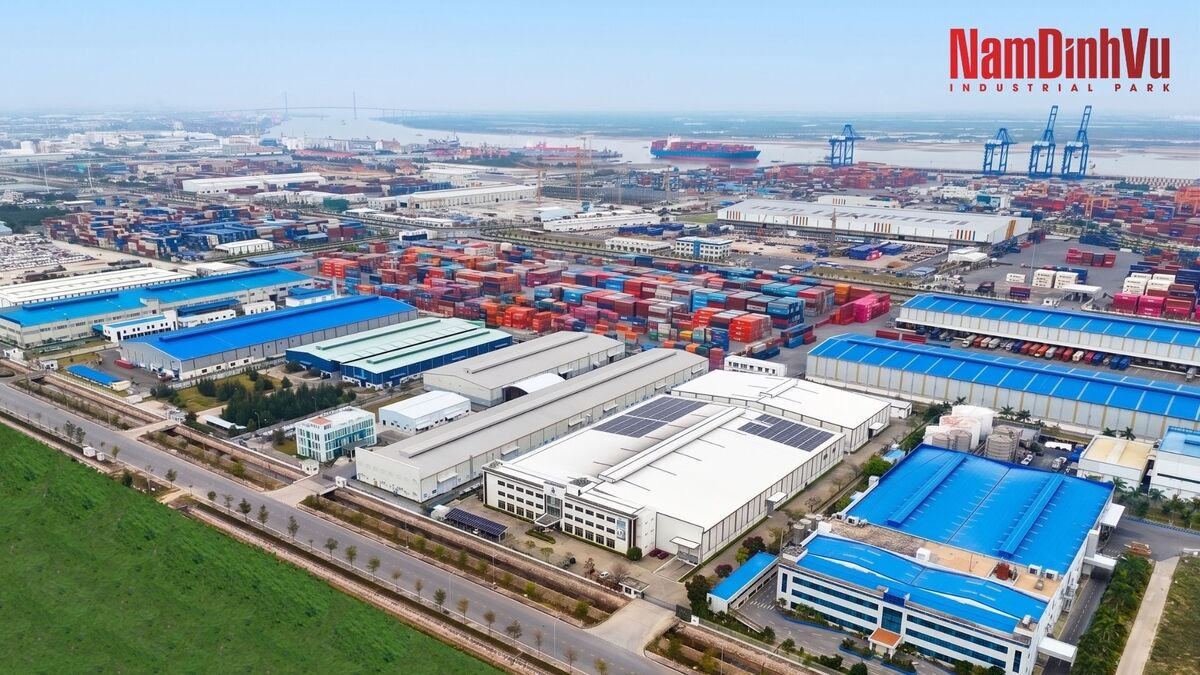
According to the report, Vietnam’s strategic location, competitive labor force, expanding trade agreements, improving infrastructure, and the ongoing China+1 strategy continued to attract regional and international manufacturers. Southern Vietnam, particularly the areas surrounding Ho Chi Minh City, remained the country’s most active industrial leasing market during the quarter.
Infrastructure and Modern Industrial Facilities Continue to Support Demand
The report identifies Binh Duong, Ba Ria–Vung Tau, Dong Nai, Long An, and Tay Ninh as key industrial provinces attracting strong investor and occupier interest. These markets benefit from established industrial ecosystems, improving transportation networks, and convenient access to major seaports and airports, helping maintain healthy occupancy levels across mature industrial parks.
Demand for ready-built factories and ready-built warehouses continued to grow as businesses sought faster market entry and greater operational flexibility. According to the report, ready-built facilities remained particularly attractive to companies requiring immediate operational capacity.
Electronics manufacturing, logistics, e-commerce, automotive suppliers, and consumer goods manufacturing remained the key demand drivers during Q2 2026. Meanwhile, major infrastructure projects—including Long Thanh International Airport, Ho Chi Minh City Ring Roads 3 and 4, the Bien Hoa–Vung Tau Expressway, and the Ben Luc–Long Thanh Expressway—are expected to improve logistics efficiency and support long-term industrial expansion.
Emerging Trends and Market Outlook
The report notes that ESG initiatives and green building standards are becoming increasingly integrated into industrial developments. Solar power systems, energy-efficient facilities, green-certified industrial buildings, water conservation systems, and smart industrial park management are among the sustainability features gaining wider adoption.
At the same time, the continued growth of e-commerce and regional distribution networks is supporting demand for modern logistics facilities, while investment from semiconductor, electronics, renewable energy, and advanced manufacturing industries continues to drive demand for high-quality industrial facilities.
Looking ahead, the report expects Vietnam’s industrial real estate market to remain resilient throughout the remainder of 2026. According to SEE the SPACE, strong manufacturing fundamentals, continued FDI inflows, and expanding infrastructure are expected to support demand for industrial land, logistics facilities, and ready-built assets. Industrial markets including Binh Duong, Ba Ria–Vung Tau, Dong Nai, Long An, Bac Ninh, and Hai Phong are expected to continue attracting investment, while industrial parks offering modern infrastructure, sustainability initiatives, and strong transportation connectivity are expected to maintain a competitive advantage.
In conclusion, the Vietnam Industrial Real Estate Market Report Q2 2026 shows that the country’s industrial real estate market remained resilient during the second quarter, supported by manufacturing growth, FDI inflows, and ongoing infrastructure investment. The report expects demand for industrial park land for lease to remain supported throughout the remainder of 2026, with modern, well-connected, and sustainable industrial parks continuing to strengthen Vietnam’s competitiveness as a regional manufacturing destination.
Source: See The Space