


Vietnam Industrial Land for Lease
Vietnam’s industrial real estate market is entering a new stage of competition as global manufacturers adopt higher standards for investment decisions. While competitive costs and favorable investment policies continue to play an important role, businesses are increasingly evaluating industrial locations based on infrastructure quality, sustainability, and long-term operational efficiency. As these priorities evolve, the market for Vietnam industrial land for lease is adapting to meet the changing expectations of international investors.
New Investment Priorities Are Reshaping the Market
For many years, Vietnam’s industrial real estate sector benefited from three major advantages: competitive land costs, an affordable workforce, and attractive tax incentives. These strengths helped attract successive waves of foreign direct investment (FDI) and established Vietnam as one of Asia’s key manufacturing destinations.
The article notes, however, that the next generation of investors is looking beyond traditional advantages. Manufacturers in industries such as energy, technology, and digital infrastructure increasingly require industrial parks with specialized infrastructure capable of supporting more advanced production activities while improving long-term operational efficiency.
Investment expectations are also changing in terms of project planning. According to the article, investors now tend to seek lease terms of at least 35 years, compared with the 25–30-year leases that were previously more common. This shift reflects a greater focus on long-term production strategies and capital investment.
Vietnam Industrial Land for Lease Is Entering a New Stage of Competition
The article highlights that Vietnam’s industrial land supply is expected to continue expanding. FPT Securities (FPTS) forecasts an increase of approximately 14% by 2028, creating additional opportunities for industrial development across the country.
At the same time, developers are facing significantly higher development costs. Land clearance and construction expenses have increased by 25% to more than 81%, while developing green and smart industrial parks requires investment levels around 20–30% higher than conventional projects. These changing cost structures are encouraging developers to place greater emphasis on project quality and long-term competitiveness.
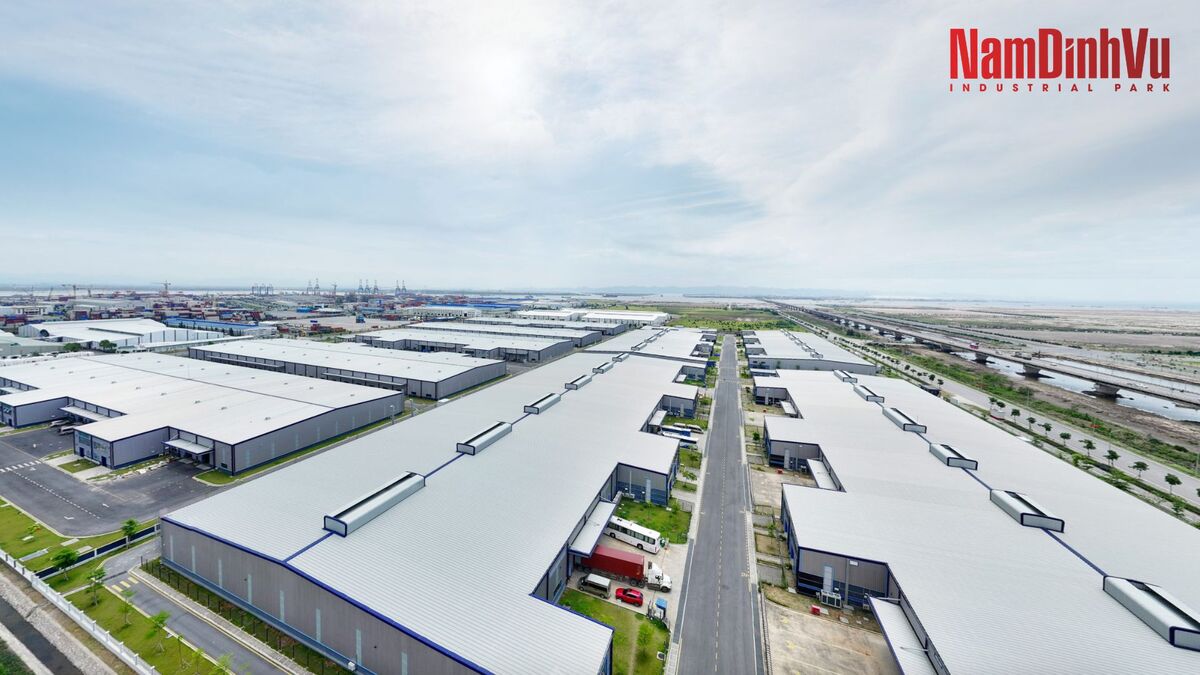
Although supply is expanding, industrial land rental rates are expected to continue rising at a moderate pace of around 2–3% annually. The article also notes that Northern Vietnam is projected to record stronger rental growth than the southern region, supported by its relatively lower rental base and its ability to attract major high-tech manufacturing supply chains.
Sustainable Industrial Development Is Becoming the New Competitive Advantage
The article indicates that industrial real estate competition is gradually shifting from price-based advantages toward higher-quality developments. Environmental, Social and Governance (ESG) standards, low-carbon operations, reliable energy infrastructure, and operational efficiency are becoming increasingly important considerations for manufacturers evaluating new industrial locations.
This transition is reflected in the broader direction of industrial development across Vietnam. Developers are investing more heavily in smart industrial parks, green infrastructure, ready-built factories, and integrated service ecosystems designed to support long-term manufacturing activities. Rather than competing primarily through tax incentives or lower costs, industrial projects are increasingly differentiated by infrastructure quality and sustainable operations.
The article also points to continued market confidence, with strong industrial land leasing activity and high occupancy levels in modern factory developments. These trends suggest that manufacturers continue to prioritize industrial locations capable of supporting long-term production, operational flexibility, and future business expansion.
Overall, Vietnam’s industrial real estate market is evolving alongside the changing requirements of global manufacturers. While industrial land supply continues to expand, investor expectations are increasingly centered on sustainability, infrastructure quality, and operational performance. As highlighted in the article, these factors are expected to play a growing role in shaping demand for Vietnam industrial land for lease and influencing the next phase of industrial investment across the country.
Source: The Investor