


Vietnam industrial property continued to demonstrate positive momentum in the first quarter of 2026, supported by rising rental rates, high occupancy levels, and expanding supply across multiple segments. According to market data cited by the Ministry of Construction and industry consultants, industrial land, ready-built factories, and warehouses all recorded positive performance during the period. The latest figures provide an overview of how the market has developed despite ongoing global uncertainties.
Industrial Land Market Remains Active Across Vietnam
Industrial land rents remained at relatively high levels across Vietnam in the first quarter of 2026. In northern Vietnam, rents ranged from $90 to $250 per sq m per lease term, with occupancy rates exceeding 80 per cent. In the central region, rents stood at $70 to $120 per sq m, while southern Vietnam recorded rents ranging from $185 to over $280 per sq m, with occupancy exceeding 90 per cent. These figures indicate continued activity across the country’s major industrial regions.
The northern market continued to expand in both scale and value. According to JLL, northern Vietnam currently has nearly 13,000 ha of industrial land across more than 70 operational industrial parks, while new supply in the first quarter exceeded 100 ha. Occupancy reached 82 per cent and the cumulative leased area increased to 10,400 ha, representing year-on-year growth of 5 per cent. The reported figures show that leasing activity remained stable as additional supply entered the market.
Industrial real estate rents nationwide also continued to increase. Data from DTJ Industrial showed that rents rose by between 3 and 6 per cent year-on-year during the first quarter. The increase reflects continued momentum across the industrial land segment, supported by sustained market demand and ongoing development activity.
Factory and Warehouse Segments Continue Expanding
The ready-built factory segment reached more than 3.6 million sq m across 91 projects, representing a 14 per cent increase compared to the same period last year. New supply in the first quarter totaled 159,000 sq m, while occupancy remained high at 87 per cent. Leasing activity was particularly active in key industrial locations in northern Vietnam, including Hai Phong. The segment continued to add new capacity while maintaining strong occupancy levels.
Rental rates for ready-built factories ranged from $4 to $7.1 per sq m per month, reflecting a 4 per cent increase year-on-year. These figures highlight continued growth in both supply and rental performance within the factory segment. The market maintained positive momentum despite the addition of new projects and available space.
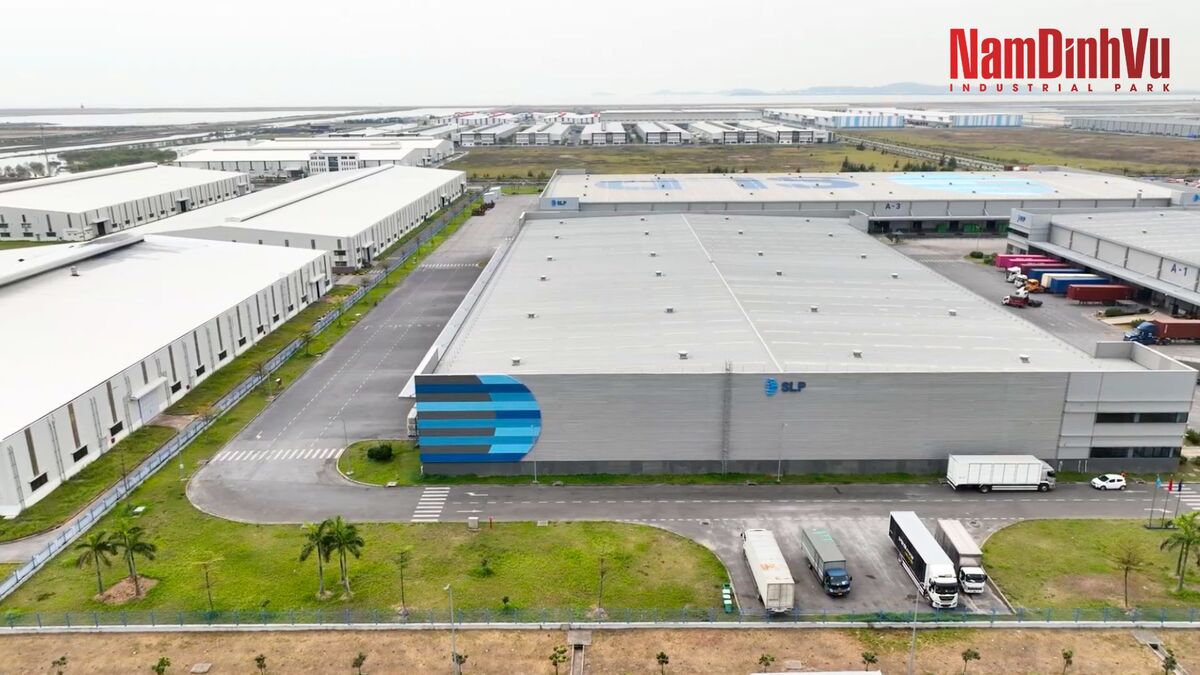
The ready-built warehouse segment also recorded significant expansion. Total warehouse supply in northern Vietnam reached 2.2 million sq m, representing a 1.7-fold increase year-on-year. During the first quarter, an additional 162,000 sq m of warehouse space entered the market, including the JEIL Logistics Hai Phong project developed by South Korea’s JIEL Group. Average warehouse rents increased to $5.1 per sq m per month, up 10 per cent year-on-year, marking the strongest rental growth among the major industrial property segments.
Demand and Infrastructure Continue Supporting Growth
According to the report, demand continued to come from a broad range of occupiers, including manufacturers, retailers, and e-commerce companies serving both domestic and export markets. At the same time, occupiers have become increasingly selective in their location choices. Facilities with completed infrastructure, strong connectivity, and higher operating standards are receiving greater attention as businesses seek to optimize costs and improve operational efficiency.
Vietnam also continued to benefit from manufacturing expansion and foreign investment activity. Market participants noted that industrial real estate performance remained supported by stable macro-economic conditions, expanding FDI, and ongoing improvements in infrastructure. Investors from South Korea, Singapore, China, Japan, and Europe continued to expand operations across sectors such as electronics, semiconductors, automotive components, and high-tech manufacturing.
Looking ahead, industry experts expect infrastructure development and new investment to continue supporting market growth. JLL forecasts that industrial land rental rates in northern Vietnam will increase by 4–6 per cent annually, particularly in locations near seaports, airports, and major expressways. Occupancy levels are also expected to remain high, while factory and warehouse occupancy may improve further as newly completed supply is gradually absorbed by the market.
Overall, Vietnam industrial property maintained positive momentum during the first quarter of 2026, supported by rising rents, high occupancy rates, and expanding supply across industrial land, factory, and warehouse segments. The market also continued to benefit from manufacturing demand, foreign investment, and infrastructure development. With additional supply entering the market and rental growth expected to continue, the sector remains one of the key segments of Vietnam’s real estate market.
Source: VN Economy