


The demand for an industrial warehouse near port Vietnam continues to grow as manufacturers and logistics providers seek faster access to international shipping routes. In Hai Phong, the close integration between seaport infrastructure and industrial development is creating favorable conditions for businesses looking to optimize supply chains, reduce logistics costs, and improve import-export efficiency.
Seaport Connectivity Strengthens Industrial Investment Appeal
Hai Phong’s position as Northern Vietnam’s primary gateway to the sea continues to play a significant role in attracting industrial investment. As one of the country’s two deep-water port hubs, Hai Phong Port now operates direct transocean shipping services to major markets including the United States, Europe, and India without requiring transshipment through intermediate ports. This advantage helps businesses shorten delivery times while reducing transportation costs associated with international trade. Direct maritime connectivity remains an important factor for companies seeking efficient access to global markets. It also enhances the overall competitiveness of the city’s industrial and logistics sectors.
The city’s seaport system has become an important factor influencing location decisions for manufacturers and exporters. Surveys conducted within industrial parks and economic zones indicate that most enterprises rely heavily on seaport services to improve the efficiency of importing machinery, equipment, and raw materials while accelerating export activities. These operational advantages are becoming increasingly important as companies seek greater supply chain reliability. They also contribute to the long-term competitiveness of industrial production in Hai Phong. Efficient logistics networks are increasingly viewed as a strategic asset for industrial development. Their role continues to expand as trade volumes grow and supply chains become more complex.
The experience of newly established manufacturers further highlights the value of port connectivity. Businesses located near major highways, expressways, and seaport infrastructure can benefit from reduced logistics expenses and faster cargo movement. Such advantages continue to support Hai Phong’s reputation as one of Vietnam’s leading destinations for foreign direct investment. In 2026, the city aims to attract between US$3.8 billion and US$4.3 billion in FDI, reflecting continued confidence in its industrial ecosystem. The combination of transport infrastructure and port access provides important operational benefits for manufacturers. These advantages can support both production efficiency and long-term business growth.
Major Infrastructure Projects Enhance Port–Industry Linkages
To maximize the benefits of its seaport network, Hai Phong is accelerating a series of large-scale infrastructure investments during the 2026–2030 period. The city views transportation connectivity as a critical factor in strengthening cargo flows between industrial zones, logistics facilities, and seaport terminals. Improved infrastructure is expected to support both regional and international trade activities. It also creates a stronger foundation for long-term industrial expansion. Infrastructure development continues to play an important role in supporting economic growth. Better connectivity can also improve the efficiency of goods movement across multiple sectors.
Several strategic projects are currently being prioritized, including Ring Road 2 connecting Tan Vu, Hung Dao, and Bui Vien Street, the expansion of Bui Vien Street toward National Highway 10, and the development of the Lao Cai–Hanoi–Hai Phong railway. Once completed, the railway project is expected to increase freight transport capacity, strengthen East–West economic corridor connectivity, and create more efficient cargo routes from Southern China and Northern Vietnam to Lach Huyen Port. These projects demonstrate the city’s commitment to improving multimodal transportation networks. They also enhance the efficiency of cargo movement throughout the region. Large-scale transportation projects often create long-term benefits that extend beyond logistics activities alone. They can also support broader industrial and commercial development objectives.
Additional projects, including the Ninh Binh–Hai Phong Expressway and transportation links connecting Lach Huyen Port with Gia Binh Airport, are expected to strengthen connections between economic zones and key logistics infrastructure. Together, these developments support the operational efficiency of existing deep-water ports while preparing for future maritime expansion. Comprehensive infrastructure planning remains an important driver of industrial growth. It also helps improve the attractiveness of industrial locations connected to major logistics corridors. Strong connectivity between different transport modes can help improve overall supply chain performance. Such investments are expected to contribute to greater economic integration across the region.
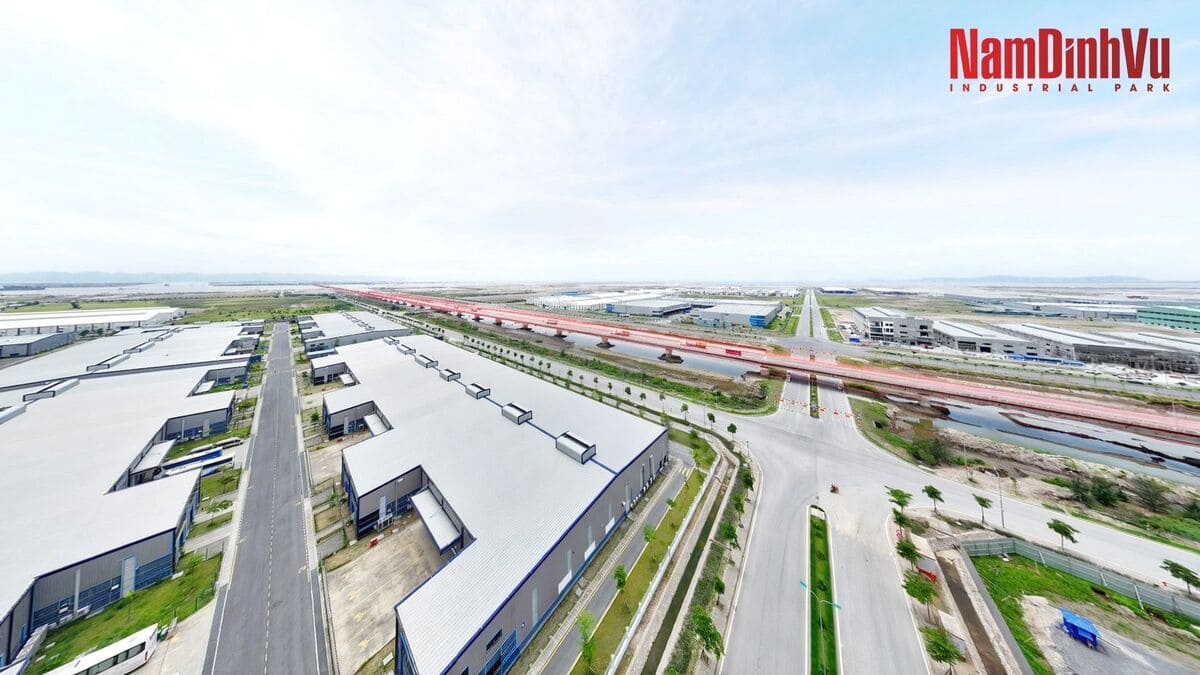
Integrated Logistics Networks Support Industrial Growth
The combination of modern seaport infrastructure and improving transportation networks is helping businesses optimize supply chains and reduce operating costs. Better connectivity enables manufacturers to move goods more efficiently while expanding access to international markets. These benefits are increasingly important as global supply chains continue to evolve. They also strengthen Hai Phong’s role within regional trade networks. Logistics efficiency is becoming a key consideration for businesses seeking long-term operational advantages. Improved connectivity can also help support greater flexibility in supply chain management.
Authorities view the development of inter-regional transportation links and coastal economic corridors as key growth drivers for the coming years. By connecting industrial production centers more closely with seaport infrastructure, Hai Phong aims to improve logistics performance not only for the city but also for the broader Northern Vietnam region. Such connectivity can create positive spillover effects across multiple industries. It also supports the development of a more integrated industrial and logistics ecosystem. Enhanced regional linkages can help facilitate trade and investment flows over time. They may also encourage greater collaboration between different economic sectors.
The continued enhancement of transport infrastructure, seaport capacity, and industrial connectivity is expected to support Hai Phong’s goal of achieving GRDP growth of 13% or higher during the 2026–2030 period. As logistics efficiency becomes an increasingly important competitive factor, the integration of ports and industry is likely to remain a central component of the city’s economic development strategy. These efforts are expected to strengthen Hai Phong’s appeal to both domestic and international investors over the long term. Continued investment in infrastructure and connectivity is likely to support future development opportunities. It also reflects the city’s broader commitment to enhancing its industrial and logistics capabilities.
Overall, Hai Phong’s strategy of linking seaport infrastructure with industrial development is creating significant advantages for manufacturers, exporters, and logistics providers. With direct international shipping connections, large-scale transportation investments, and stronger integration between ports and industrial areas, the city continues to reinforce its position as one of Vietnam’s most attractive destinations for industrial and logistics investment.
Source: Hai Phong News