


Vietnam industrial zones in the northern region are entering a new stage of development as industrial supply continues to expand and major infrastructure projects move closer to completion. At the same time, sustainability has become an increasingly important factor in investment decisions, with green industrial parks emerging as a key driver of foreign direct investment (FDI). According to industry experts, the combination of infrastructure development, industrial expansion, and ESG-focused planning is helping shape the next phase of growth.
Green Standards Become a Key Investment Requirement
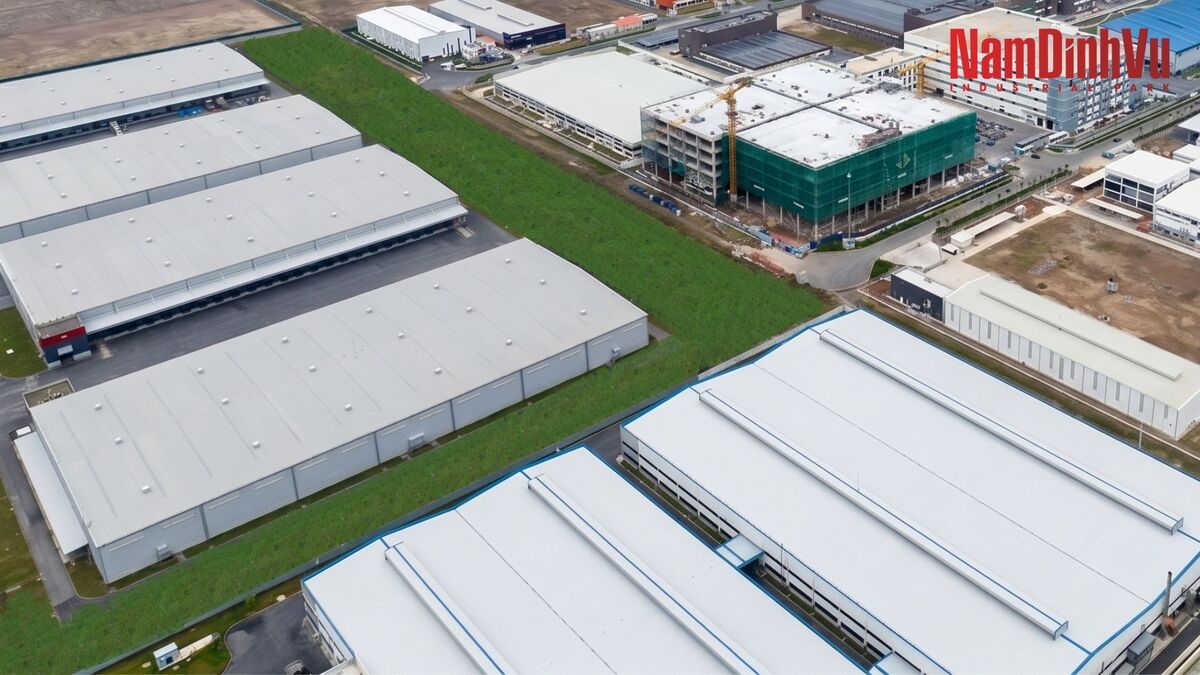
Between 2026 and 2029, northern Vietnam is expected to add approximately 5,050 hectares of industrial land, nearly 1 million sq.m of ready-built factories (RBF), and more than 656,000 sq.m of ready-built warehouses (RBW). In 2026 alone, RBF supply is projected to increase by more than 643,000 sq.m, creating additional capacity for industries such as electronics, semiconductors, and high-tech manufacturing. These figures highlight the scale of industrial development planned across the region over the coming years. The projected increase in supply is expected to provide businesses with a wider range of industrial property options. It also reflects ongoing development activity across northern Vietnam.
According to Cushman & Wakefield Vietnam, investors are becoming increasingly selective when choosing locations. Beyond rental costs, businesses are placing greater emphasis on long-term expansion potential, synchronized infrastructure, and transparent legal frameworks. ESG standards and carbon-reduction commitments are also becoming essential requirements for many multinational corporations operating in global supply chains. These factors are playing a larger role in site selection decisions than in previous years. The trend reflects evolving requirements from international manufacturers and investors.
As a result, industrial park developers are increasingly adopting renewable energy solutions, water recycling systems, and smart management technologies. These initiatives reflect the growing importance of sustainability within Vietnam industrial zones and demonstrate how environmental considerations are becoming part of industrial development strategies. Green development measures are now being incorporated into planning and operational models from an earlier stage. This shift is contributing to the emergence of new-generation industrial parks across the region.
Expanding Supply Supports Market Growth
Data from Cushman & Wakefield’s Marketbeat report for the fourth quarter of 2025 showed that total industrial land supply in northern Vietnam reached nearly 23,990 hectares, representing growth of 42.8 per cent year-on-year. Average industrial land rent reached US$135 per sq.m for the lease term, while occupancy remained at 65.74 per cent despite the significant increase in supply. The figures indicate that the market continued to absorb new industrial developments while maintaining stable occupancy levels. The combination of rising supply and sustained occupancy highlights ongoing activity across the industrial land segment. It also provides an indication of the market’s capacity to accommodate future investment projects.
The ready-built factory segment also recorded strong performance. Occupancy reached 86 per cent, reflecting sustained demand from manufacturers seeking production facilities in northern Vietnam. At the same time, ready-built warehouse occupancy exceeded 83 per cent, highlighting continued demand from logistics and supply chain activities across the region. Both segments maintained relatively high occupancy despite additional supply entering the market. This performance reflects continued interest from industrial and logistics occupiers.
The combination of increasing supply and stable occupancy suggests that industrial property demand remains active across multiple segments. Market performance in both manufacturing and logistics-related facilities demonstrates the ongoing role of northern Vietnam as an important destination for industrial investment and production activities. The reported figures also show that industrial expansion is occurring across different types of facilities rather than being concentrated in a single segment. This creates a more diversified industrial property market across the region.
Infrastructure and Green Planning Shape the Future
Several major infrastructure projects are expected to support industrial development across northern Vietnam. These include Gia Binh International Airport, the expansion of the North–South Expressway, and plans for a free trade zone linked to deep-sea ports. According to the report, these developments are expected to help reposition northern Vietnam as a green manufacturing and logistics hub in the coming years. Infrastructure improvements are expected to strengthen connectivity between industrial locations and logistics networks. They are also anticipated to support the movement of goods and production activities across the region.
Investment is also gradually expanding beyond traditional industrial centers. Provinces such as Hung Yen, Ninh Binh, Hai Phong, and Phu Tho are becoming increasingly connected through an emerging production and logistics network. This trend is contributing to the formation of a broader industrial belt that links manufacturing activities with logistics infrastructure across the region. The growing connectivity between locations is creating additional opportunities for industrial expansion. It also allows investment activity to spread across a wider geographic area.
Experts noted that new-generation industrial parks are being planned with sustainability in mind from the outset. Features such as rooftop solar systems, centralized wastewater treatment, eco-friendly construction materials, and smart energy management systems are becoming more common. As global supply chains continue to evolve and ESG requirements become more stringent, locations that combine connectivity, available land, and sustainable development commitments are expected to remain attractive to high-quality FDI projects. The increasing adoption of these features reflects broader changes in industrial development strategies. Sustainability is becoming an important consideration alongside traditional factors such as cost and location.
In conclusion, Northern Vietnam’s industrial real estate market is expected to benefit from expanding supply, infrastructure development, and growing demand for sustainable industrial locations. With green planning becoming a more important consideration for investors, Vietnam industrial zones that integrate modern infrastructure with ESG-focused development are likely to remain attractive destinations for future manufacturing and logistics investment.
Source: Vietnam News