


Industrial Warehouse for Lease Vietnam
The market for industrial warehouses for lease Vietnam continued to demonstrate stable growth despite a significant increase in new supply. Supported by resilient manufacturing activity, strong FDI inflows, and expanding logistics demand, Northern Vietnam remained one of the country’s most active industrial real estate markets throughout the past year.
Warehouse Leasing Demand Remains Strong Despite Rising Supply
Northern Vietnam’s industrial real estate market continued to expand as nearly 1.2 million square meters of new ready-built warehouses and factories were completed across major industrial provinces during the previous year. Despite this substantial increase in supply, leasing demand remained healthy, reflecting the market’s strong underlying fundamentals. The continued addition of modern industrial facilities has provided businesses with greater flexibility while supporting the region’s expanding manufacturing base. This balanced relationship between supply and demand continues to strengthen the market’s long-term outlook.
According to CBRE, average rental rates for ready-built warehouses reached US$4.90 per square meter per month, representing a 6.3% year-on-year increase, while ready-built factory rents averaged US$5.00 per square meter per month, increasing by more than 3%. Demand was primarily generated by companies operating in the electronics, logistics, and sporting goods manufacturing sectors. Many occupiers continued choosing ready-built facilities because they offer greater operational flexibility while reducing initial capital investment requirements. These advantages continue to make ready-built industrial properties an increasingly attractive option for manufacturers and logistics operators.
Strong tenant demand also supported healthy occupancy across the region. Annual net absorption reached approximately 800,000 square meters, increasing 4.3% year-on-year, while occupancy rates for ready-built warehouses and factories remained between 75% and 85%. In the industrial land segment, total net absorption across major industrial cities reached nearly 480 hectares in 2025, with average asking rents rising to approximately US$143 per square meter, an annual increase of 4%. Although rental prices continue to increase, CBRE noted that growth has become more moderate compared with the stronger annual increases of 6% to 11% recorded between 2021 and 2023. This suggests that the market is gradually moving toward a more balanced and sustainable growth trajectory.
FDI and Manufacturing Continue to Drive Market Expansion
According to CBRE, continued foreign direct investment and manufacturing expansion remain the primary drivers supporting industrial warehouse demand in Northern Vietnam. Stable investment inflows have encouraged manufacturers to expand production capacity while increasing demand for modern warehouse and factory facilities. These long-term market fundamentals continue to provide confidence for both developers and industrial occupiers. They also reinforce Vietnam’s position as an increasingly attractive manufacturing destination in Asia.
Vietnam’s manufacturing sector continued to perform strongly throughout the year. The country’s Industrial Production Index (IIP) increased by 9.2% year-on-year, marking the strongest annual growth since 2019. At the same time, realized FDI reached approximately US$27.62 billion, representing the highest level recorded over the past five years. The real estate sector alone attracted around US$1.93 billion, making it the second-largest recipient of foreign investment. These figures demonstrate that manufacturing expansion and investment activity continue to provide solid support for industrial real estate demand.
CBRE also noted that Northern Vietnam continues to strengthen its competitive position through strategic geographic advantages and improving transportation infrastructure. Better connectivity has enhanced the region’s attractiveness for manufacturers, logistics companies, and international investors seeking efficient production and distribution locations. As industrial activities continue expanding, demand for high-quality warehouse facilities is expected to remain well supported over the long term. Stable market fundamentals are therefore expected to continue underpinning industrial property performance across the region.
Infrastructure and E-Commerce Create New Growth Opportunities
Transportation infrastructure continues to play an important role in supporting the long-term development of Northern Vietnam’s industrial real estate market. According to industry experts, major infrastructure projects currently being accelerated—including Tu Lien Bridge, Tran Hung Dao Bridge, Ngoc Hoi Bridge, Gia Binh International Airport, and the Lao Cai–Hanoi–Hai Phong high-speed railway—are expected to significantly improve regional and international connectivity. At the same time, administrative reforms and greater decision-making authority delegated to local governments have helped shorten project implementation timelines. These improvements are expected to create a more favorable environment for future industrial development.
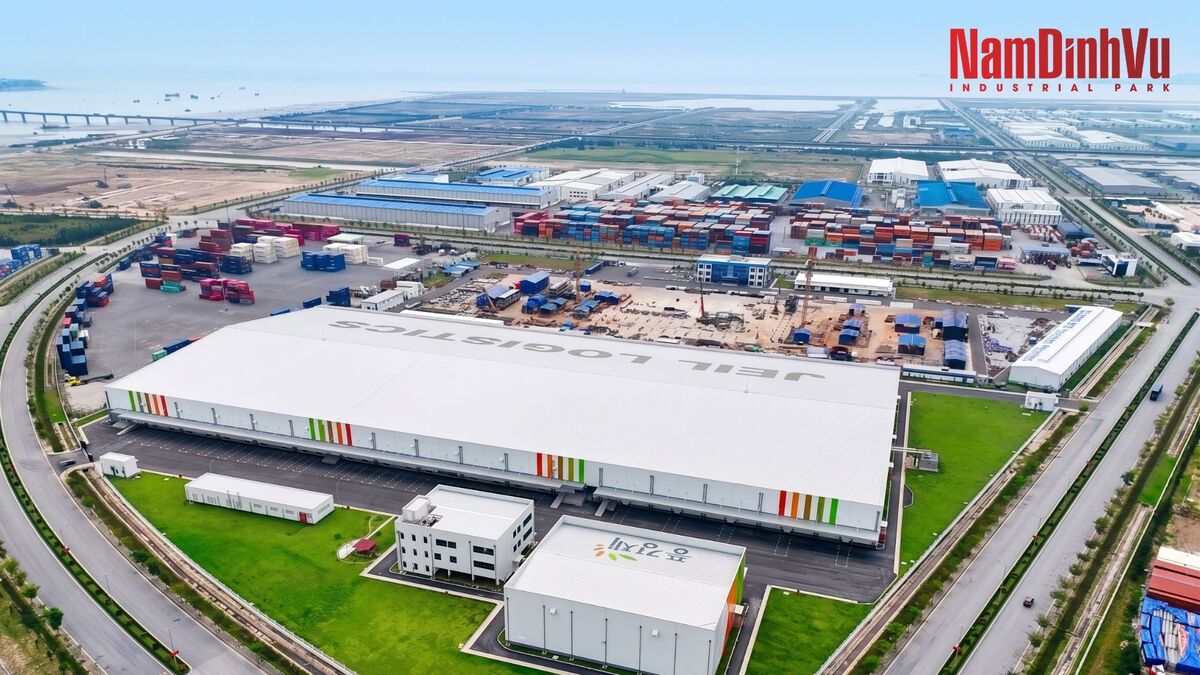
The rapid expansion of Vietnam’s e-commerce market is also generating additional demand for industrial warehouse facilities. According to Savills, Vietnam’s e-commerce market reached an estimated value of US$26–28 billion in 2025, while more than 7,000 new online sellers entered the market during the year. As competition intensifies, many businesses are placing greater emphasis on operational efficiency rather than market share expansion. This trend is accelerating demand for modern logistics facilities capable of supporting faster deliveries and more efficient last-mile distribution.
Looking ahead, industrial warehouse supply is expected to continue expanding. According to Cushman & Wakefield, Northern Vietnam is projected to add approximately 656,000 square meters of ready-built warehouse space between 2026 and 2029. To sustain Vietnam’s competitiveness as an FDI destination, the report recommends continued investment in transportation infrastructure, industrial park power systems, workforce development, and investment incentive policies. Together, these factors are expected to provide a solid foundation for the long-term growth of Vietnam’s industrial real estate sector.
In conclusion, the market for industrial warehouse for lease Vietnam continues to benefit from resilient FDI inflows, expanding manufacturing activity, growing logistics demand, and ongoing infrastructure investment. Although supply is increasing steadily, healthy occupancy levels and stable rental growth indicate that Northern Vietnam remains well positioned for long-term industrial real estate development.
Source: VN Express