


Industrial Real Estate in Vietnam
Vietnam’s industrial real estate market continued to evolve throughout the second quarter of 2026 as foreign investment remained resilient and manufacturing activities expanded. While quarterly business performance across the sector is becoming increasingly differentiated, the industry’s long-term outlook remains positive, supported by strong FDI inflows, policy reforms, and the ongoing transition toward next-generation industrial parks.
Market Competition Is Becoming More Selective
Following encouraging FDI inflows and healthy industrial land leasing activity in the first quarter of 2026, Vietnam’s industrial real estate market entered Q2 with positive momentum. At the same time, market analysts observed that business performance across industrial park developers is becoming increasingly differentiated as the sector enters a new development cycle. Rather than following a uniform growth trajectory, companies are now facing different opportunities and challenges depending on their development readiness. This reflects a more mature market where long-term competitiveness is becoming increasingly important.
According to MBS Research, future growth will depend less on the size of existing land banks alone and more on how effectively developers can transform those land reserves into industrial projects that meet the evolving requirements of foreign investors. Factors such as infrastructure quality, project execution, green development, and readiness to develop eco-industrial parks, smart industrial parks, green industrial zones, and high-tech industrial developments are expected to play a greater role in determining future competitiveness. As investment requirements continue to evolve, project quality is gradually becoming a more important differentiator than expansion scale. This transition reflects the broader direction of Vietnam’s industrial real estate market.
Although MBS forecasts that industrial park companies under its coverage may achieve approximately 58% year-on-year net profit growth during Q2 2026, the report notes that much of this increase is expected to be supported by one-off land compensation income rather than recurring business activities. Meanwhile, earnings performance is expected to vary considerably across the industry, highlighting an increasingly polarized competitive landscape. Overall, the market is moving toward stronger competition based on operational capability rather than short-term financial results. This trend is expected to continue as investment standards become increasingly demanding.
Strong FDI Continues to Support Long-Term Growth
Despite differences in quarterly earnings, Vietnam’s industrial real estate sector continues to benefit from strong investment fundamentals. Industry experts believe that long-term growth will increasingly depend on developers’ ability to attract foreign manufacturers, adapt to next-generation industrial park models, and respond effectively to changing market requirements. These structural advantages continue to provide confidence for both domestic and international investors. They also reinforce Vietnam’s position as a leading manufacturing destination in the region.
According to MBS, FDI disbursement reached US$8.1 billion during the first five months of 2026, increasing 11% year-on-year, while newly registered FDI totaled US$9.6 billion, representing an impressive 131% increase compared with the same period last year and nearly matching the total registered FDI recorded throughout the previous year. These figures demonstrate that Vietnam continues to attract significant international investment despite ongoing geopolitical uncertainty and global trade challenges. Stable capital inflows remain one of the most important drivers supporting demand for industrial land. Continued investor confidence also provides a solid foundation for future market expansion.
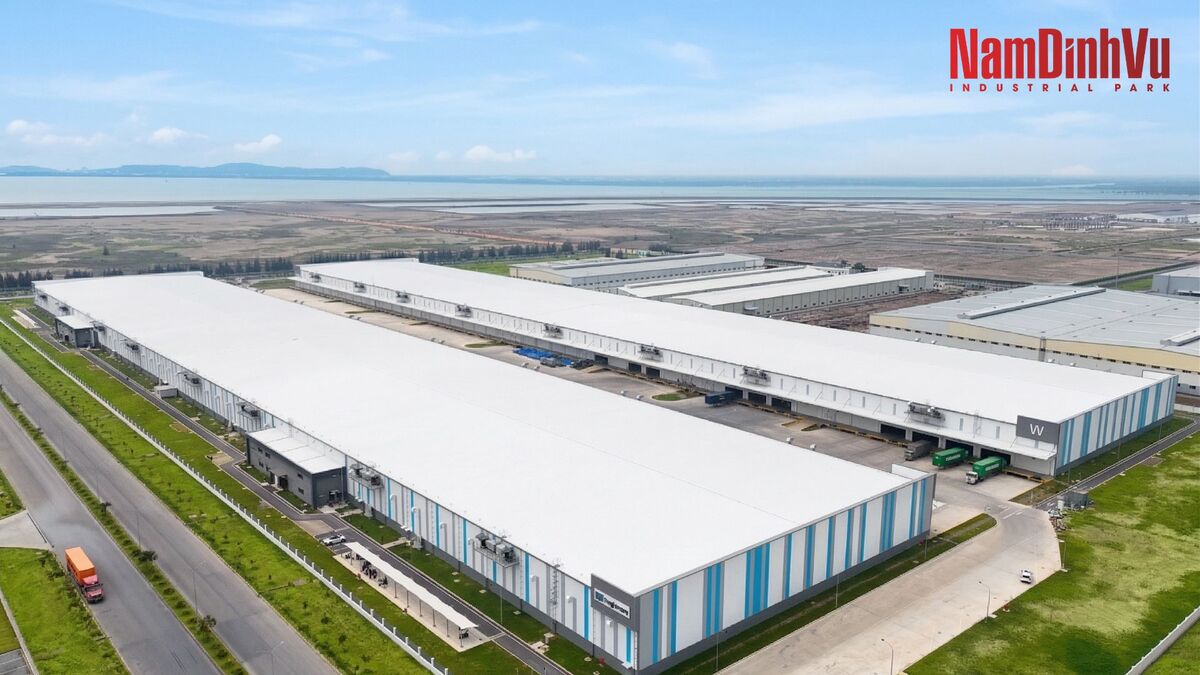
Manufacturing activities among foreign-invested enterprises also maintained strong momentum during the same period. Exports increased by 25% year-on-year, while imports rose by 34%, reflecting continued expansion in production and supply chain activities. According to MBS, these indicators suggest that international manufacturers continue to view Vietnam as an attractive production base despite external uncertainties. As manufacturing output continues to expand, demand for industrial land and supporting infrastructure is expected to remain stable over the medium and long term. This positive manufacturing outlook continues to reinforce the long-term prospects of the industrial real estate sector.
Policy Reforms Are Shaping the Next Stage of Development
Alongside resilient FDI inflows, policy support is becoming another important driver of Vietnam’s industrial real estate market. According to MBS, the issuance of Resolution No. 10-NQ/TW on June 8, 2026 marks an important strategic shift toward developing eco-industrial parks, green industrial parks, smart industrial parks, and high-tech industrial zones. This policy direction reflects the government’s broader objective of improving industrial development quality while enhancing long-term competitiveness. It also creates a clearer framework for the industry’s next phase of growth.
The transition toward next-generation industrial parks is expected to raise infrastructure standards while encouraging developers to invest more heavily in planning quality, sustainability, and operational readiness. Instead of relying primarily on available land, industrial parks are increasingly expected to provide comprehensive infrastructure, higher environmental standards, and greater operational efficiency to satisfy the evolving requirements of international investors. These changes indicate that industrial real estate is moving toward a higher-value development model. As a result, project quality is likely to become an increasingly important competitive advantage across the sector.
Financial policy is also providing additional support for future development. The State Bank of Vietnam has allowed 25 commercial banks to exclude additional lending for industrial park and export processing zone projects, relative to end-2025 balances, from real estate lending calculations used to manage 2026 credit growth. Looking ahead, Vietnam’s industrial real estate market is expected to maintain positive long-term momentum as manufacturing expansion, stable FDI inflows, and supportive government policies continue to reinforce market fundamentals. Nevertheless, future growth will increasingly depend on how effectively industrial park developers execute projects and adapt to the evolving needs of next-generation investors.
In conclusion, industrial real estate in Vietnam is entering a more competitive stage where execution capability, infrastructure quality, sustainability, and investment readiness are becoming increasingly important. Supported by resilient FDI inflows, expanding manufacturing activities, and a more favorable policy environment, the sector remains well positioned for long-term growth despite a more selective and competitive market landscape.
Source: Reatimes