


Choosing the right Vietnam industrial park is one of the most important decisions manufacturers make when establishing a factory. Beyond selecting available land, investors need to evaluate long-term operational efficiency, regulatory compliance, infrastructure, and expansion potential. A structured decision-making process helps reduce project risks while supporting sustainable business growth.
Evaluate Industrial Parks Beyond Initial Investment Costs
Selecting a Vietnam industrial park should begin with evaluating long-term operational requirements rather than focusing only on short-term investment incentives. Manufacturers are encouraged to eliminate locations that could create structural limitations in the future, including insufficient land for expansion, limited utility capacity, or unclear park management policies. Making these assessments early helps avoid costly adjustments after operations begin.
Future scalability is another critical consideration during site selection. Investors should review the remaining land bank within an industrial park, confirm expansion rights in lease agreements, understand zoning restrictions for future production upgrades, and verify whether neighboring plots remain available. Although one location may appear suitable for current production, limited expansion opportunities can significantly increase operational costs later. A comprehensive evaluation allows manufacturers to balance present requirements with future business development.
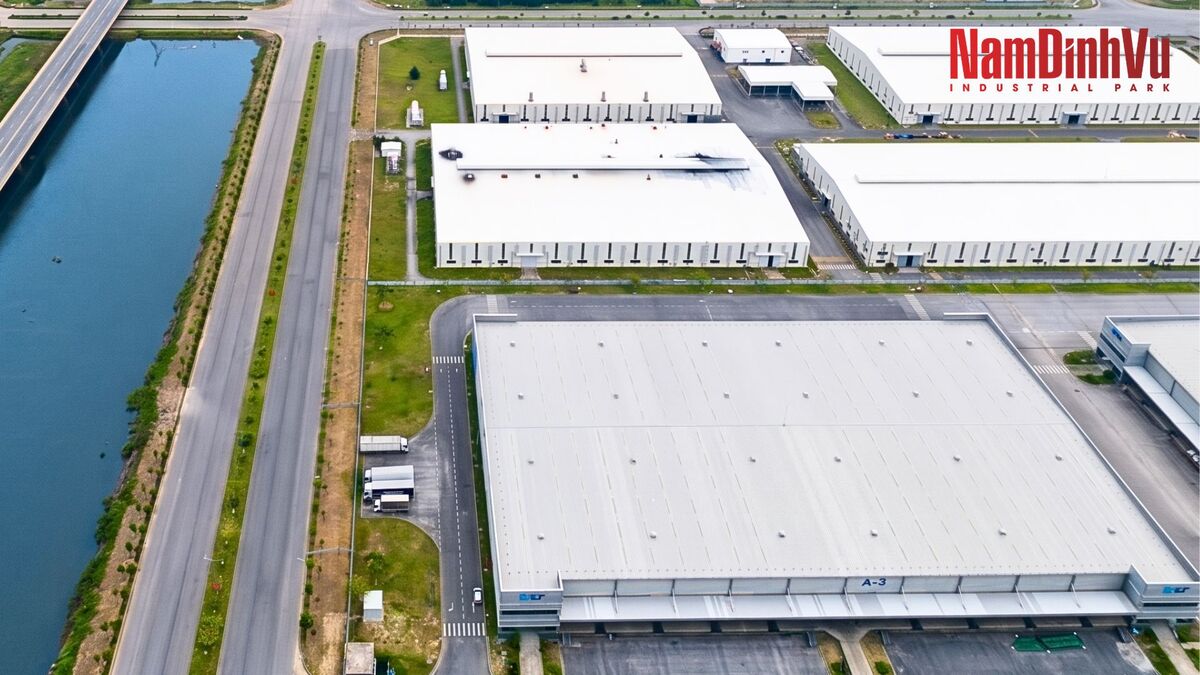
Land rental costs should also be assessed alongside broader operational expenses. Factory implementation involves much more than the initial lease price, as long-term operating costs are influenced by logistics accessibility, labor availability, infrastructure quality, service fees, and utility capacity. Looking beyond upfront investment enables businesses to build a more sustainable and cost-effective manufacturing strategy.
Address Execution Risks Before Factory Operations Begin
Even after selecting an appropriate Vietnam industrial park, many execution challenges arise during the first year of project implementation. Delays in approvals, compliance issues, or technical mismatches can affect construction schedules and future factory operations. Careful planning during the implementation phase helps reduce these risks before they become more expensive to resolve.
Manufacturers must ensure that approval procedures follow the correct sequence while remaining consistent with the final factory design. Investment registration, construction permits, environmental classification, and fire safety documentation all need to align properly throughout the implementation process. Any inconsistency between technical planning and regulatory requirements may lead to project delays, additional costs, or redesign work during construction.
Businesses should also account for hidden implementation costs that are often overlooked during the planning stage. Expenses related to utility connections, environmental compliance, infrastructure upgrades, and administrative procedures can significantly influence the overall project budget. Identifying these factors early allows investors to develop more realistic timelines and maintain greater control over implementation costs.
Local Support Strengthens Long-Term Factory Success
Implementing a factory inside a Vietnam industrial park involves legal, operational, and regulatory considerations that often require local knowledge. According to the article, local advisors provide the greatest value when they participate before lease agreements are finalized and before factory designs are completed. Early involvement allows businesses to maintain flexibility while reducing the likelihood of structural mistakes that are difficult to correct later.
Local expertise supports several important areas, including industrial park screening, lease negotiations, utility capacity verification, expansion rights, approval sequencing, and coordination with industrial park developers and government authorities. Early guidance also helps align technical factory designs with regulatory requirements, reducing the possibility of approval delays or unnecessary revisions during implementation.
Certain decisions become difficult or costly to reverse once construction begins. Choosing a location with limited expansion capacity, accepting unclear lease conditions, finalizing factory designs before confirming environmental requirements, or selecting a region that does not match labor availability can all create long-term operational challenges. Applying a structured evaluation process and seeking practical guidance early helps manufacturers reduce these risks while building a stronger foundation for long-term growth.
In conclusion, implementing a factory in a Vietnam industrial park requires more than securing industrial land. Careful evaluation of expansion potential, operational costs, regulatory requirements, and execution planning helps manufacturers reduce risks while improving long-term efficiency. A structured approach to site selection and factory implementation provides businesses with greater confidence as they establish and expand manufacturing operations in Vietnam.
Source: Source of Asia