


Vietnam’s industrial real estate market is entering a more selective stage of growth. Strong occupancy, rising rental rates and sustained investor demand continue to support the sector, but the conditions for success are changing. Competition is increasingly determined by infrastructure quality, financial capacity, sustainability and the ability to deliver complete industrial ecosystems.
Vietnam Real Estate Prices Rise as Investors Prioritize Quality
Recent market figures highlight this combination of growth and pressure. Industrial parks in Northern Vietnam maintain occupancy rates of 80–90%, while Southern Vietnam remains above 85%. At the same time, industrial land rental prices are increasing by approximately 5–10% year-on-year, making Vietnam real estate prices an important indicator of both robust demand and intensifying competition.
The rise in industrial land rental prices comes as investors become more selective about where they locate their operations. Rental cost and location are no longer the only deciding factors. Investors increasingly prioritize well-developed infrastructure, strong logistics connectivity and sustainable development standards. The market is therefore moving away from competition based primarily on low costs toward competition based on real, long-term value.
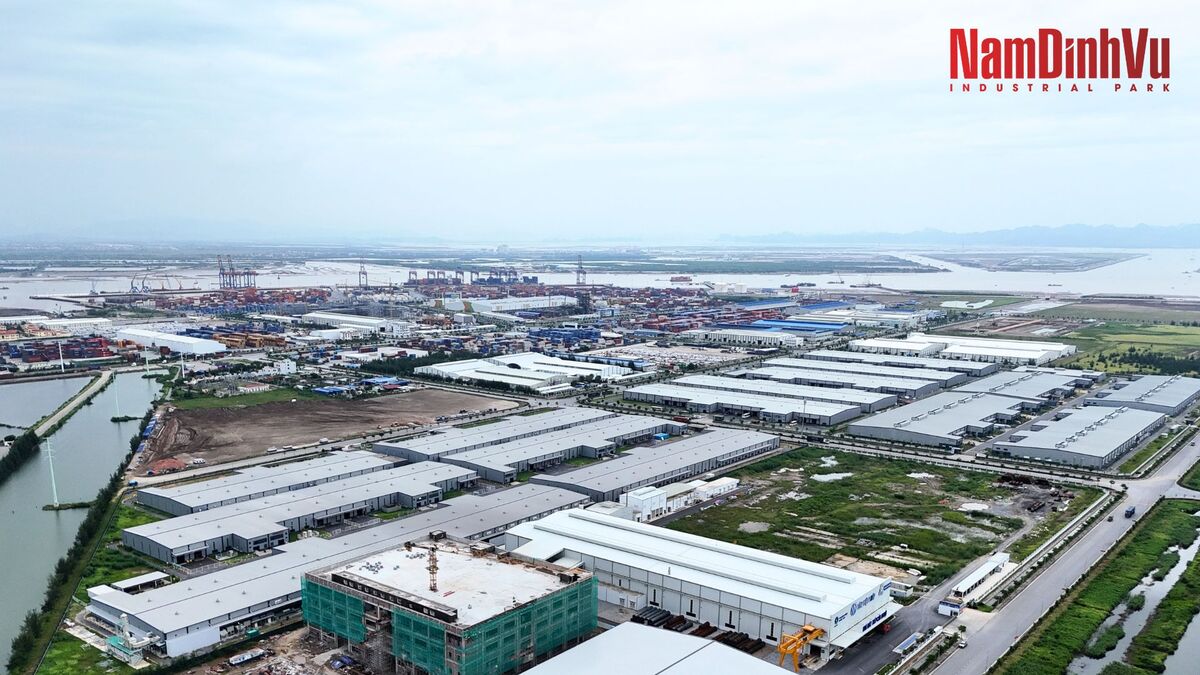
This shift is particularly evident among FDI enterprises. Environmental, social and governance standards are becoming fundamental requirements, with businesses increasingly demanding carbon emission reduction, renewable energy usage and stronger environmental compliance. ESG is consequently moving beyond being a competitive advantage and becoming a basic condition for industrial developments seeking to attract international investors.
Vietnam continues to benefit from the “China+1” strategy, but foreign investors are raising their requirements. Preference is increasingly given to ready-to-operate industrial parks with fully developed infrastructure and strong support services. As international developers expand their presence, domestic companies also face greater pressure to upgrade their development models, improve operational capabilities and invest more professionally.
Higher Development Costs Are Reshaping the Industrial Market
While demand remains strong and Vietnam real estate prices continue to rise, developing industrial parks is becoming more expensive. Land clearance expenses, infrastructure investment and financial costs are all adding pressure to project economics. Stricter legal requirements and higher environmental standards can also extend project timelines, increasing the amount of capital developers must commit before projects become operational.
These pressures are contributing to a stronger filtering phase across the market. Developers with clean land banks, strong financial capacity and a long-term vision are better positioned to compete. The ability to build integrated ecosystems is also becoming increasingly important as tenants demand more than access to industrial land alone.
By contrast, fragmented developers, capital-constrained businesses and companies that remain dependent on short-term advantages may find it increasingly difficult to compete. Rising costs and higher investor expectations mean that financial strength and operational capability are becoming fundamental requirements rather than optional advantages.
Industrial Real Estate Is Moving Beyond Land Leasing
The structure of industrial real estate itself is also changing. Traditional models centered mainly on land leasing and fragmented development are gradually giving way to integrated industrial ecosystems. These models can combine ready-built factories, modern logistics facilities, business support services, property management, and integrated urban and expert living spaces within a broader development strategy.
As a result, value creation is no longer based solely on land. Developers are increasingly expected to build ecosystem-driven models that provide tenants with infrastructure, services and operating conditions that support long-term business activity. This transition helps explain why competition is increasingly centered on quality even as occupancy remains high and industrial land rental prices continue to increase.
The longer-term outlook nevertheless remains positive. Industrial real estate is expected to remain a leading segment in the medium term and an attractive long-term investment market. Key growth drivers include free trade agreements (FTAs), global supply chain relocation and large-scale infrastructure investments, providing continued support for the sector as it moves into its next development cycle.
In conclusion, Vietnam’s industrial real estate market is no longer defined simply by available land or low rental costs. Rising Vietnam real estate prices, high occupancy rates and stronger investor requirements point toward a more mature and competitive market.
Source: Industrial Land