


The Vietnam real estate market 2026, especially within the industrial segment, is poised for significant acceleration as foreign direct investment (FDI) shifts its focus from low-cost advantages to long-term strategic development. Indicators from the second half of 2025 show strong occupancy levels across industrial parks and ready-built facilities, laying the groundwork for a breakthrough year in 2026.
Market Momentum and Supply Expansion
In 2025, northern industrial zones saw occupancy rates around 86%, while southern regions reached up to 90%. Ready-built factory space in the north averaged US$5.1 per m² per month, and in the south US$4.4 per m² per month, indicating strong tenant confidence and consistent rental performance. This stability also shows that investors are maintaining interest even amid global economic uncertainties, and many companies are planning ahead for the year 2026.
New industrial land and facilities continued to expand without naming specific projects. Total land supply and ready-built capacity are increasing to meet growing demand from manufacturers, logistics companies, and 3PL providers. Smaller industrial zones are also seeing incremental upgrades, with local authorities and operators focusing on better road access and utilities. Flexible layouts and multi-story designs are becoming more common to maximize land efficiency. These improvements allow tenants to optimize operations while adapting to changing production requirements.
The high utilization of industrial spaces highlights a trend toward quality-driven investment. Even small-scale facilities are upgrading to meet modern operational standards, demonstrating that 2026 will not only see more capacity but also higher quality infrastructure. Additionally, some developers are experimenting with shared warehouse spaces or modular designs, providing more flexible solutions for different types of tenants. Overall, the northern and southern markets are both showing resilience and readiness to accommodate further industrial growth.
Changing Investor Priorities and Regional Comparisons
Foreign investors are increasingly considering environmental, social, and governance (ESG) standards and legal transparency when choosing industrial sites. Low-cost advantages alone are no longer decisive; infrastructure quality, connectivity, and sustainability now play a key role. Many investors are also paying closer attention to local labor availability and the ease of administrative procedures, even for smaller-scale operations.
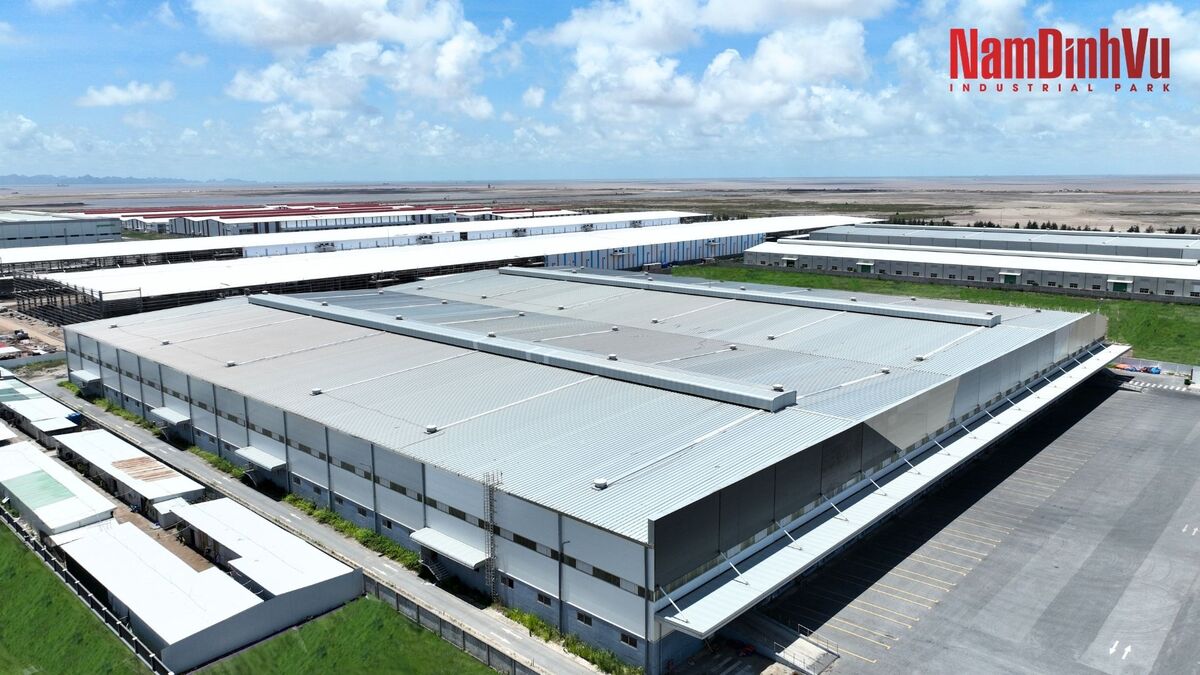
China’s industrial policies, including stricter environmental enforcement and rising operational costs, are motivating companies to relocate or expand to countries like Vietnam. This trend benefits industrial real estate in Vietnam as investors seek stable, well-connected locations with supportive regulations. Some multinational companies are reviewing their supply chains and evaluating multiple Southeast Asian locations, making Vietnam an increasingly attractive option.
The focus on green infrastructure and high-standard facilities is reshaping the market. Developers are integrating renewable energy solutions, waste management systems, and advanced logistics capabilities, creating industrial parks that can support global-standard supply chains and attract long-term tenants. Additionally, tenants are beginning to prefer parks with comprehensive on-site services, which enhances operational efficiency and reduces additional costs. These upgrades reflect a broader trend toward sustainable, future-ready industrial real estate in the region.
Infrastructure and Future Demand Drivers
Transportation improvements, such as new expressways connecting industrial hubs to major ports and airports, are expected to reduce logistics costs and increase efficiency. These upgrades are critical for northern and southern industrial regions and further enhance Vietnam’s attractiveness for investment. Local authorities are also focusing on improving feeder roads and utility connections within industrial zones, which adds additional convenience for tenants and investors alike.
Demand from next-generation industries, including data centers and semiconductor manufacturing, is rising. For instance, Vietnam’s data center capacity is projected to reach nearly 950 MW by 2030, up from 524.7 MW in 2025, supporting industrial real estate demand for specialized facilities. This surge in demand encourages developers to explore hybrid warehouse and factory designs that can accommodate both traditional manufacturing and tech-driven operations.
Overall, enhanced connectivity, next-generation industrial growth, and investor focus on sustainability are set to drive the Vietnam industrial real estate market 2026. The sector is becoming a key pillar for regional production diversification, especially as companies look beyond China for strategic operations. In addition, the combination of stable regulatory frameworks and high-quality infrastructure positions Vietnam as a competitive alternative for long-term industrial investment in Southeast Asia.
Overall, Vietnam’s industrial real estate market is entering a transformative phase in 2026. High occupancy rates, rising demand, improved infrastructure, and evolving investor priorities point to a breakthrough year. With these factors combined, Vietnam is positioning itself as a competitive alternative to other regional markets, offering long-term opportunities for both tenants and investors.
Source: VIETNAM.VN