


Industrial Park Vietnam Lease
Vietnam’s industrial real estate market is entering a new development cycle as global supply chain restructuring, geopolitical uncertainty, and rising ESG requirements continue reshaping investment strategies. Rather than focusing purely on rapid expansion, the market is gradually moving toward a more selective phase centered on infrastructure quality, operational standards, and long-term sustainability. According to market observations, the industrial park Vietnam lease market is expected to witness clearer differentiation between projects with strong infrastructure readiness and those relying primarily on land scale advantages.
Industrial Land Leasing Activity Slows As Investors Become More Selective
Entering 2026, Vietnam’s industrial real estate sector is increasingly feeling the impact of global supply chain shifts and geopolitical uncertainties. As investors place greater emphasis on supply chain resilience, policy stability, and ESG standards, industrial land leasing decisions are becoming more cautious and selective. This transition reflects broader changes in global manufacturing and investment strategies, particularly among multinational corporations seeking more stable and resilient production bases.
According to CBRE Vietnam, industrial land leasing activity remained relatively subdued during 2025. In southern Vietnam, net absorption declined by 39% year-on-year despite demand recovering in the second half of the year following the launch of new supply. Meanwhile, future supply remains substantial, with more than 1,000 hectares of additional industrial land expected to enter the southern market during 2026.
This adjustment signals a shift in market priorities. In previous years, developers mainly competed through land scale and expansion speed. However, the market is now entering a more selective cycle where infrastructure standardization, integrated services, and long-term operational capabilities aligned with international standards are becoming increasingly important. Industrial parks capable of offering stronger infrastructure quality and operational efficiency are expected to maintain better competitiveness in attracting foreign investment.
ESG Standards Become A New Benchmark For Industrial Parks
Alongside changing investment criteria, ESG is gradually becoming a core operating benchmark for industrial parks in Vietnam. ESG is no longer viewed simply as a competitive advantage, but increasingly as a necessary requirement for maintaining participation in global supply chains. This transition is also encouraging industrial developers to place greater emphasis on sustainability-oriented infrastructure and long-term environmental performance.
Investors are paying closer attention to green infrastructure, stable energy systems, water resource management, wastewater treatment, and the ability to implement industrial symbiosis models. As a result, industrial real estate projects are no longer expected to provide only manufacturing space, but also sustainable, transparent, and resilient operational ecosystems capable of supporting long-term industrial activity. ESG considerations have increasingly shaped industrial real estate development since 2025 and are expected to remain a major market driver throughout 2026.
However, the transition toward next-generation industrial park models continues to face several challenges. The rollout of eco-industrial parks is still affected by policy framework limitations and inconsistencies in the application of sustainability criteria, as several implementation regulations and guidelines remain under finalization. This is contributing to a more selective investment environment where foreign investors increasingly prioritize projects with stronger sustainability orientation and higher adaptability.
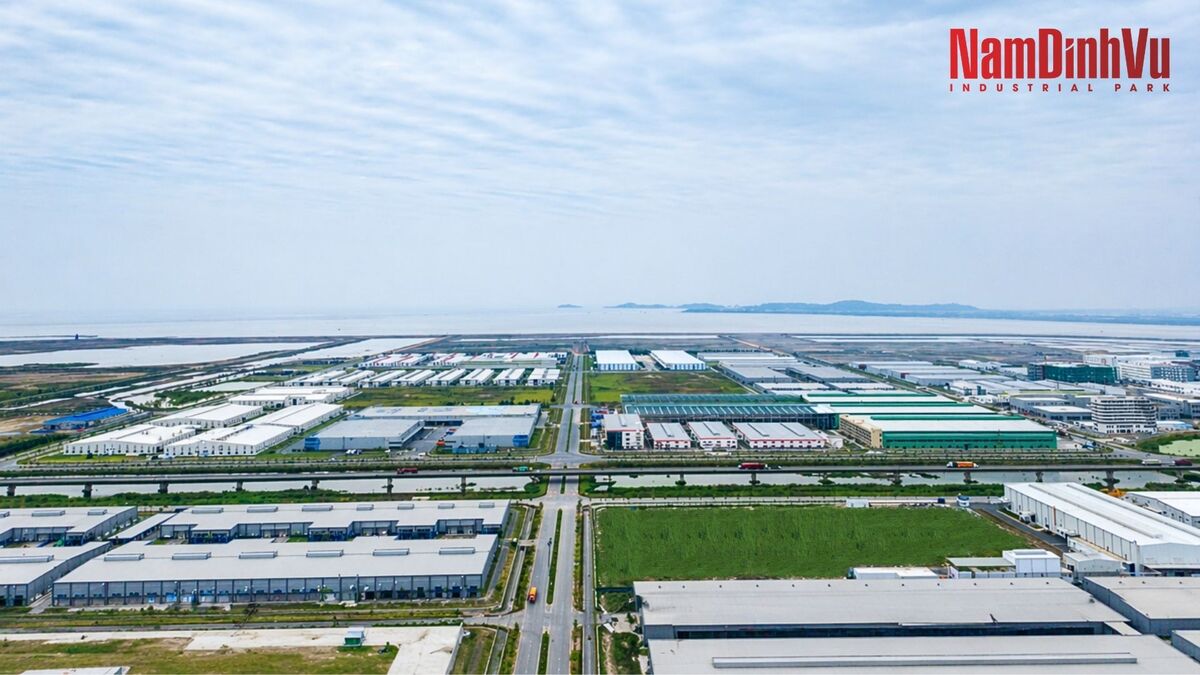
This trend is also becoming more visible in major industrial hubs across Vietnam. In Hai Phong City, Nam Dinh Vu Industrial Park is actively aligning its long-term development strategy with green industrial park standards, integrated infrastructure systems, and sustainable industrial ecosystem goals in order to better support investors adapting to ESG and global supply chain requirements.
Industrial Developers Focus On Long-Term Operational Capability
Amid shifting FDI trends and stricter ESG standards, Vietnam’s industrial real estate market is expected to witness clearer differentiation based on model quality and execution capability during 2026. Rather than pursuing supply expansion at all costs, many developers are now prioritizing infrastructure upgrades, operational standardization, and long-term investment strategies to meet the increasingly stringent requirements of international tenants.
According to Prodezi Long An deputy general director Truong Khac Nguyen Minh, industrial park developers are continuing to integrate ESG principles across infrastructure, operations, and governance systems in a more structured and measurable manner. This approach is expected to help tenants better satisfy global supply chain requirements while supporting Vietnam’s broader sustainable development goals.
The market is therefore entering a new phase where operational quality, infrastructure readiness, and sustainability standards are becoming more important than rapid expansion alone. Industrial parks capable of combining strong infrastructure systems, long-term operational resilience, and ESG-oriented development strategies are expected to attract more stable investment flows in the coming years.
In conclusion, Vietnam’s industrial real estate sector is expected to continue evolving toward more selective, sustainable, and operationally integrated development models. As investor expectations continue rising, industrial parks with stronger execution capability and long-term sustainability orientation are likely to become the key beneficiaries of the market’s next growth cycle.
Source: