


Vietnam’s industrial real estate sector continues attracting strong investor attention as manufacturing expansion, supply chain diversification, and infrastructure development reshape the country’s industrial landscape. According to market data, the industrial land investment market Vietnam is expected to maintain positive long-term growth momentum, supported by rising foreign direct investment, strategic geographic advantages, and the continued expansion of industrial infrastructure across key economic regions.
Foreign Investment Continues Driving Industrial Expansion
Vietnam remains one of Southeast Asia’s most attractive destinations for manufacturing and industrial investment. The country continues benefiting from competitive labor costs, favorable geographic positioning, and participation in multiple free trade agreements, helping strengthen its role within global supply chains. These advantages continue supporting long-term demand across industrial land, logistics facilities, and manufacturing infrastructure. As global manufacturers increasingly diversify production strategies, Vietnam is gradually reinforcing its position as a key regional manufacturing hub with strong long-term growth potential.
According to market observations, foreign direct investment continues playing a central role in industrial real estate growth. International manufacturers are increasingly expanding production operations into Vietnam as part of broader China Plus One strategies and regional supply chain restructuring. This trend is contributing to stable demand across multiple manufacturing sectors, particularly electronics, automotive, logistics, and high-tech production. The continued inflow of industrial investment is also supporting the development of broader industrial ecosystems across many provinces and economic corridors throughout the country.
At the same time, infrastructure investment is accelerating industrial expansion across multiple regions. The continued development of highways, seaports, airports, and logistics corridors is improving regional connectivity while supporting industrial growth beyond traditional manufacturing hubs. Industrial parks with stronger infrastructure readiness and transportation connectivity are expected to maintain greater competitiveness in attracting long-term investment. Improving infrastructure networks are also helping many emerging industrial provinces strengthen their attractiveness to both domestic and international investors.
Industrial Demand Shifts Toward Higher-Quality Infrastructure
Vietnam’s industrial real estate market is also entering a more selective development phase as investors place greater emphasis on infrastructure quality, operational efficiency, and long-term sustainability standards. Rather than focusing solely on land availability and rental pricing, occupiers are increasingly prioritizing industrial parks capable of supporting more complex operational requirements and integrated industrial services. This transition is gradually encouraging developers to improve infrastructure standards and strengthen value-added capabilities across industrial projects.
Demand continues rising for ready-built factories, modern warehouses, and industrial facilities integrated with logistics and technical infrastructure. The expansion of e-commerce, manufacturing, and regional distribution networks is also contributing to stronger demand for warehousing and fulfillment infrastructure across major industrial corridors. As supply chains continue evolving, businesses are placing greater importance on operational flexibility, logistics accessibility, and deployment speed when evaluating industrial locations and expansion plans.
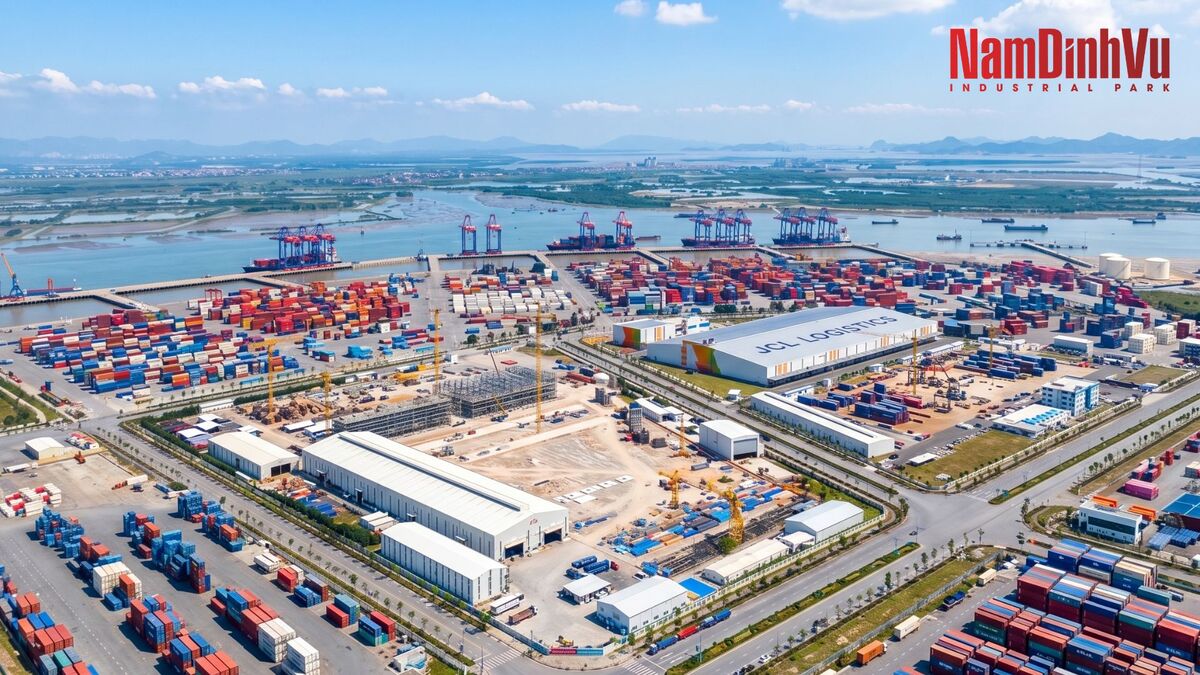
At the same time, sustainability considerations are becoming increasingly important in industrial investment decisions. Industrial parks are gradually being encouraged to integrate green infrastructure, energy efficiency systems, wastewater treatment solutions, and environmentally responsible operational models in order to align with evolving ESG expectations and international supply chain standards. This transition is also contributing to stronger interest in industrial projects capable of supporting long-term sustainability, operational resilience, and future regulatory requirements.
Northern And Southern Vietnam Continue Leading Industrial Development
Vietnam’s industrial real estate growth continues concentrating in both northern and southern key economic regions. Northern Vietnam remains highly attractive for electronics, high-tech manufacturing, and export-oriented industries thanks to strong connectivity with China and established industrial supply chains. Meanwhile, southern Vietnam continues benefiting from logistics advantages, seaport systems, airport connectivity, and diversified manufacturing activities. These regional advantages continue shaping investment flows and industrial development strategies across the country.
Several emerging industrial provinces are also attracting stronger investor attention as industrial land supply in traditional hubs becomes increasingly limited and more expensive. This trend is contributing to broader industrial expansion into secondary markets with improving infrastructure and competitive development costs. As transportation networks continue expanding, more provinces are expected to benefit from increasing industrial activity and manufacturing investment in the coming years.
At the same time, the market is witnessing clearer differentiation between industrial projects based on infrastructure quality, integrated services, and operational capability. Industrial parks capable of combining strategic location advantages, infrastructure readiness, and long-term operational efficiency are expected to remain more competitive in attracting future investment flows. Developers are also placing greater focus on integrated industrial ecosystems capable of supporting evolving tenant requirements and long-term industrial growth strategies.
Looking ahead, Vietnam’s industrial real estate market is expected to continue evolving toward higher-quality, more sustainable, and operationally integrated development models. As manufacturing demand, infrastructure investment, and global supply chain diversification continue expanding, industrial land investment market Vietnam is likely to maintain strong long-term growth potential across multiple industrial segments.
Source: Data Insights Market