


Industrial Land For Lease Northern Vietnam
The northern industrial real estate market in Vietnam is entering a new phase of growth as supply expansion and stable demand reshape the landscape. With significant additions of industrial land, ready-built factories, and warehouses, businesses are evaluating opportunities based on long-term expansion potential, infrastructure readiness, and legal transparency. Understanding regional dynamics and investment timing will be critical for companies seeking industrial land for lease in northern Vietnam in 2026.
Supply Expansion and Regional Momentum
In Q4 2025, the total accumulated supply of industrial land in northern Vietnam reached approximately 23,990 hectares, marking a period of strong growth. The last quarter added about 640 hectares of new land from strategic projects across key provinces. Although this influx slightly pressured occupancy, absorption remained stable, highlighting resilience in the market. Analysts also note that the pace of new land registration and site preparation reflects broader economic confidence in the region. Many smaller developers are exploring niche areas, contributing to an overall diversified market.
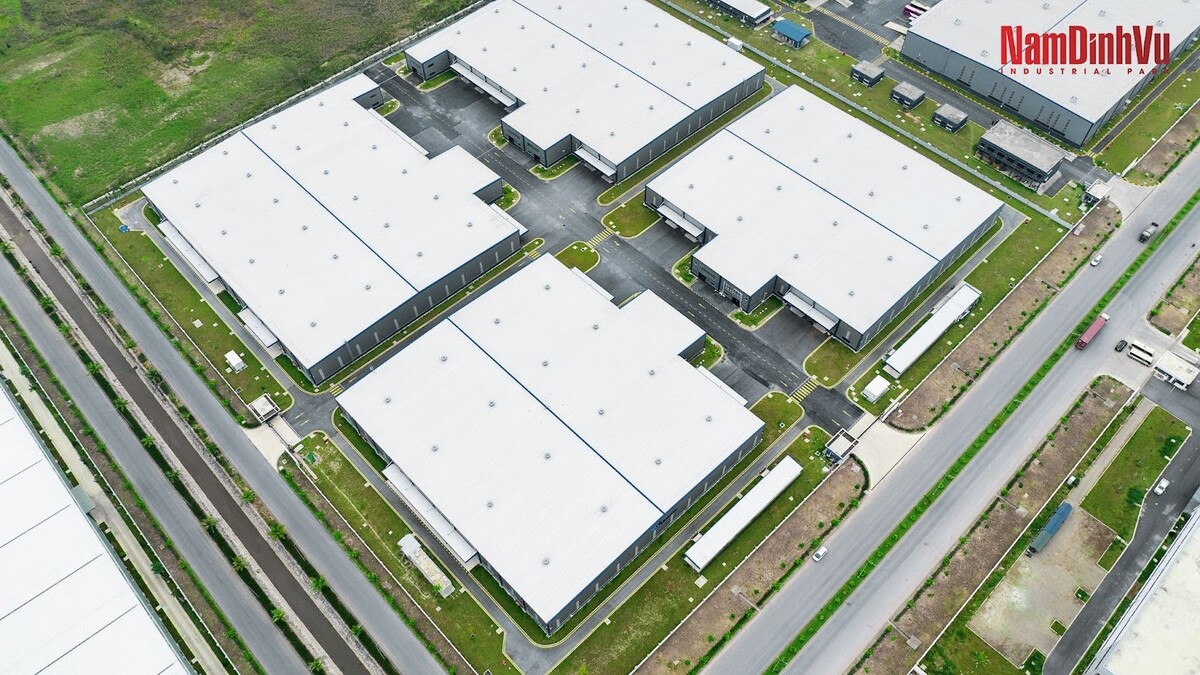
The ready-built factory (RBF) supply also increased, reaching 5,286,087 m² of leasable floor area, with Hai Phong leading the market at nearly 45% share, followed by Bac Ninh at 23%. Provinces such as Ninh Binh, Bac Ninh, and Hai Phong recorded new developments of 92,728 m², 84,000 m², and 35,000 m², respectively, creating momentum for future leasing opportunities. Meanwhile, the architectural designs and facility layouts are gradually adopting more flexible and multi-story options, allowing tenants to optimize operational efficiency.
Occupancy rates in industrial hubs remained robust despite expanding supply. Hanoi continued to maintain 100% occupancy due to land scarcity, while Bac Ninh reached 74.1%, Hung Yen 95%, Ninh Binh 90%, and Hai Phong 87%. These figures demonstrate the consistent attractiveness of northern Vietnam as a leasing destination and indicate strong investor confidence across satellite and primary industrial regions. Even in provinces with slightly lower occupancy, local authorities are actively improving supporting infrastructure, which may further boost investor interest in the coming quarters.
Demand Stability and Key Market Drivers
Net absorption of industrial land in Q4 2025 reached approximately 63 hectares, reflecting stable demand from high-tech industries, electronics, and manufacturing sectors. Even with increased supply, leasing activity remained solid, supported by companies seeking long-term operational spaces. Many smaller tenants are also entering the market, looking for mid-sized plots to establish pilot operations or expand gradually, which contributes to overall market resilience.
Average asking rents for industrial land across the region edged upward to US$135/m² per lease term, showing a slight but steady increase from previous periods. Strong demand in core industrial hubs like Hanoi, Bac Ninh, and Hai Phong reflects the region’s strategic role in global supply chains and its potential to attract further investment in 2026. The gradual rise in rents has not deterred investors, as many consider the long-term strategic benefits of securing land in well-connected industrial zones.
Looking at sector-specific drivers, key industries such as electronic components, precision mechanics, and high-tech equipment continued to dominate leasing demand. Satellite areas like Quang Ninh and Phu Tho offer new opportunities with occupancy rates at 49.27% and 52.87%, respectively, giving investors flexibility to secure larger spaces at competitive costs. These emerging areas also provide opportunities for companies seeking less congested environments and potential incentives from local authorities to attract new investment.
Future Outlook and Investment Opportunities
Projections for 2026–2029 indicate the northern industrial market will add approximately 5,050 hectares of new industrial land, expanding beyond traditional hubs to satellite regions. This growth will reinforce northern Vietnam’s position as a major manufacturing and logistics centre in the country. Developers are expected to continue diversifying site offerings, with a mix of large-scale plots and smaller modular units to cater to varying tenant needs.
Infrastructure developments such as Gia Binh International Airport and the North-South Expressway expansion will enhance inter-regional connectivity, reduce logistics costs, and support next-generation industrial growth. Policy alignment and administrative synchronization following provincial mergers will further create a transparent investment environment, attracting multinational corporations. In addition, improvements in local utilities and supporting services will make these industrial zones more appealing for long-term investments and operational efficiency.
With continued high absorption rates and stable rental growth, northern Vietnam remains a preferred destination for companies seeking industrial land for lease. Investors focusing on regions with strategic infrastructure, legal clarity, and large land reserves are well-positioned to benefit from the next phase of market expansion. The combination of supply growth, strong demand from high-tech sectors, and enhanced connectivity suggests that the market will remain dynamic and competitive through 2029.
Overall, the northern industrial real estate market is demonstrating robust growth, supported by supply expansion, stable demand, and strategic infrastructure projects. As businesses evaluate industrial land for lease in northern Vietnam, understanding regional trends, occupancy dynamics, and future developments will be essential to make informed investment decisions in 2026 and beyond.
Source: Lang Son News