


Vietnam remains one of Asia’s most attractive manufacturing destinations, especially for foreign investors seeking structured and scalable industrial locations. For long-term production, choosing the right manufacturing land Vietnam offers is not only about securing available space, but also about ensuring compliance, expansion potential, and stable day-to-day operations. Industrial parks have become the preferred choice because they provide pre-zoned land, standardized licensing, and direct coordination with local authorities, helping manufacturers reduce early risks and improve operational efficiency in 2026.
Why Industrial Parks Matter for Manufacturing Land Vietnam
When companies plan to establish a factory in Vietnam, one of the first and most important decisions is selecting the right production location. Many investors initially focus on land prices or factory size, but the bigger challenge is whether the site can support long-term growth, compliance requirements, and operational flexibility at the same time. A well-positioned location creates stronger conditions for both immediate production needs and future expansion.
This is why industrial parks play such an important role in manufacturing land Vietnam. Instead of isolated factory sites, Vietnam’s manufacturing development is concentrated in planned industrial zones, allowing foreign companies to operate within clearer structures and with fewer uncertainties. These parks usually provide pre-approved land and zoning, shared infrastructure and utilities, and direct coordination with local authorities, which helps simplify compliance procedures and reduce startup delays. This creates a more stable and efficient environment for manufacturers entering the market.
This setup allows businesses to move faster while maintaining better control over legal procedures and long-term planning. However, selecting the right industrial park from the beginning remains critical, because the wrong location can limit supplier access, future expansion opportunities, or smart factory development plans. Early planning often helps businesses avoid costly adjustments later and supports stronger long-term performance.
Different Industrial Park Models Shape Manufacturing Strategies
Not all industrial parks in Vietnam operate in the same way. Different types of parks are designed to serve different business models, and understanding these differences helps companies avoid costly strategic mistakes later. Choosing the right industrial park model can directly influence operational efficiency, supply chain performance, and long-term business flexibility.
Export Processing Zones (EPZs) are suitable for export-only production models because they offer customs and tax advantages. However, they also limit domestic sales, making them less flexible for companies that want to serve both local and international markets. Supporting industrial parks are designed for supply-chain-driven manufacturing, especially for stable industries with strong anchor clients. While they provide strong ecosystem benefits, they often reduce flexibility when product lines or customer markets change. Businesses therefore need to carefully match the park type with their actual production strategy.
Eco-industrial parks focus on sustainability and shared resource efficiency. They help companies meet rising ESG standards through coordinated environmental systems, but they also require stricter reporting standards and stronger coordination with other tenants. Industrial–urban–service zones combine factories, housing, and services in one planned area, making them suitable for large long-term projects, although land and service costs are usually higher and setup timelines are longer. These models are becoming increasingly attractive as manufacturers place greater value on sustainability, labor stability, and long-term operational resilience.
Choosing the right model depends on business goals, production scale, and long-term market strategy rather than simply comparing lease prices. A suitable industrial park structure can create stronger operational advantages and support more sustainable growth over time.
Regional Location Determines Long-Term Manufacturing Efficiency
Manufacturing land Vietnam is spread across three main regions: North, Central, and South, and each region offers different advantages depending on the investor’s strategy. Selecting the right region is a critical step because it directly affects production costs, supply chain efficiency, and future scalability. Regional differences often shape long-term competitiveness more than short-term rental costs.
Northern Vietnam includes major industrial provinces such as Hanoi, Hai Phong, Bac Ninh, Vinh Phuc, Hai Duong, Hung Yen, and Quang Ninh. According to the Foreign Investment Agency, five of the top ten provinces attracting the most FDI are located in the north. This region is often the first choice for manufacturers because of strong supplier networks, established industrial ecosystems, and its important role in China+1 strategies. Its close connection to major export routes also creates strong advantages for production planning and international trade.
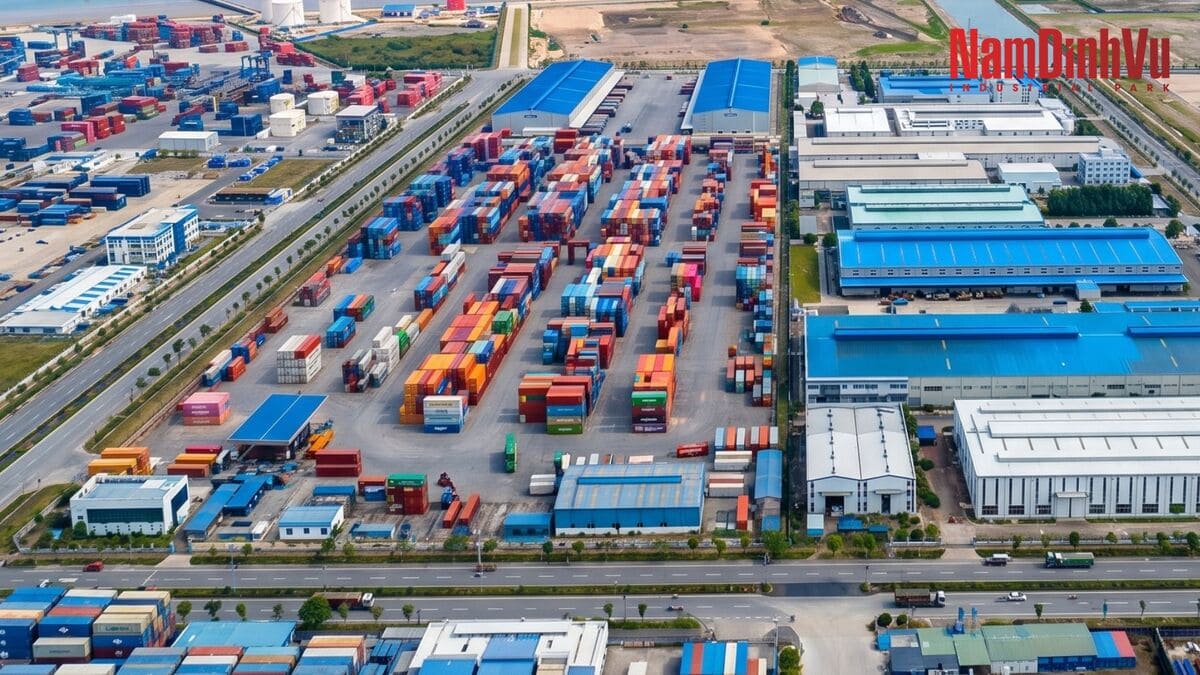
The Central region offers lower operating costs and more available land, making it suitable for companies with simpler supply chains or longer investment horizons. However, supporting industries are less developed compared to the North and South. The Southern region provides deep industrial ecosystems, strong logistics networks, experienced labor, and close access to major consumption markets, although wages and competition are generally higher. Each region serves different business priorities depending on industry type, production scale, and expansion plans.
Because of these differences, selecting manufacturing land is not only a regional decision but also a long-term operational strategy that affects cost control, labor access, supplier relationships, and future business expansion. A well-planned location strategy can significantly improve manufacturing efficiency and create stronger long-term value for investors.
In conclusion, choosing manufacturing land Vietnam offers is not simply about securing factory space. It is a strategic decision that directly affects compliance, operational efficiency, workforce stability, and future business expansion. The right location creates a stronger foundation for sustainable manufacturing growth.
With industrial parks providing structured land access, standardized licensing, and stronger local support, Vietnam continues to offer a practical and competitive environment for foreign manufacturers planning long-term investment. Making the right decision early can create greater flexibility and stronger long-term advantages in an increasingly competitive industrial market.
Source: Sourceofasia