


Industrial Land Near Deep Sea Port Hai Phong
Hai Phong is increasingly strengthening its position as a leading industrial and logistics hub in northern Vietnam by effectively linking seaports with industrial zones. This integrated development strategy is helping maximize regional advantages and attract strong investment inflows.
Strategic Seaport Advantages Strengthen Industrial Appeal
Hai Phong’s deep-sea port system has created significant advantages for industrial development, particularly for export-oriented businesses. Notably, cargo from Hai Phong can now be transported directly to major markets such as the US, Europe, and India without transshipment, reducing both time and logistics costs. This improvement has helped streamline international trade flows and enhance overall competitiveness. It also reinforces the city’s role as a key gateway for global supply chains.
These advantages have consistently positioned the city among Vietnam’s top destinations for foreign direct investment. In 2026, Hai Phong aims to attract between US$3.8 billion and US$4.3 billion in FDI, reflecting strong investor confidence in its port-linked industrial ecosystem. This target highlights the city’s proactive approach in leveraging its infrastructure strengths. It also demonstrates continued optimism from both policymakers and investors.
The close connection between seaports and industrial parks enables businesses to optimize supply chains and improve operational efficiency. As a result, industrial land near deep sea port Hai Phong continues to gain traction among both domestic and international investors. This trend underscores the growing importance of integrated industrial and logistics planning. It also indicates a sustained demand for strategically located industrial assets.
Infrastructure Expansion Enhances Port–Industry Connectivity
Hai Phong is accelerating large-scale infrastructure investments in the 2026–2030 period to strengthen connectivity between industrial zones and seaports. These developments aim to improve cargo flows and enhance import-export efficiency not only for the city but for the entire northern region.
Key projects include the rapid development of Ring Road 2 (Tan Vu – Hung Dao – Bui Vien), expansion of Bui Vien Road to National Highway 10, and the construction of the Lao Cai – Hanoi – Hai Phong railway. This railway is expected to significantly boost freight capacity and facilitate goods movement from southern China and northern provinces to Lach Huyen Port.
In addition, new expressways and strategic transport corridors are being implemented to form a comprehensive logistics network. These integrated connections are expected to enhance the efficiency of deep-sea port operations while reinforcing Hai Phong’s role as a key gateway for regional trade.
Industrial Growth Driven by Integrated Economic Corridors
Hai Phong is accelerating large-scale infrastructure investments in the 2026–2030 period to strengthen connectivity between industrial zones and seaports. These developments aim to improve cargo flows and enhance import-export efficiency not only for the city but for the entire northern region. This strategic focus reflects the city’s long-term vision for integrated growth. It also highlights the importance of infrastructure in supporting industrial expansion.
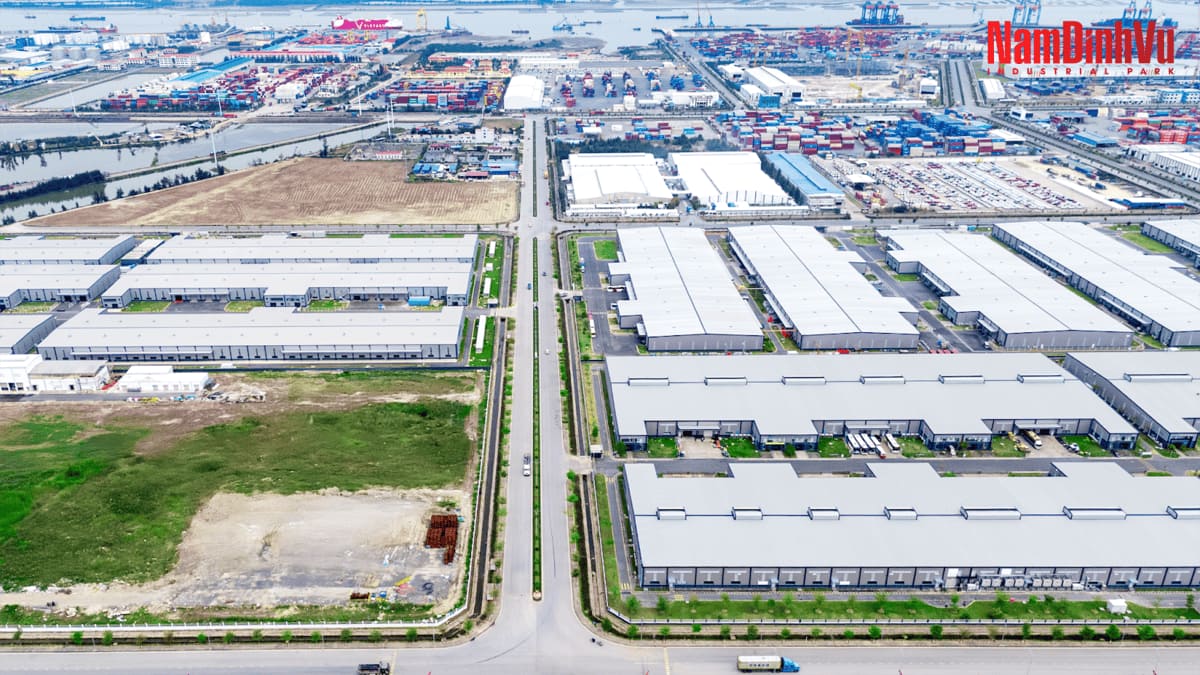
Key projects include the rapid development of Ring Road 2 (Tan Vu – Hung Dao – Bui Vien), expansion of Bui Vien Road to National Highway 10, and the construction of the Lao Cai – Hanoi – Hai Phong railway. This railway is expected to significantly boost freight capacity and facilitate goods movement from southern China and northern provinces to Lach Huyen Port. These projects are designed to reduce congestion and shorten transportation time. They also play a crucial role in improving overall logistics efficiency.
In addition, new expressways and strategic transport corridors are being implemented to form a comprehensive logistics network. These integrated connections are expected to enhance the efficiency of deep-sea port operations while reinforcing Hai Phong’s role as a key gateway for regional trade. This growing network will further strengthen inter-regional connectivity. It also supports the development of a more seamless supply chain ecosystem.
In conclusion, by effectively linking deep-sea ports with industrial development, Hai Phong is unlocking new growth opportunities and reinforcing its competitive edge in the region. With continued infrastructure expansion and strong investment momentum, industrial land near deep sea port Hai Phong is set to remain highly attractive in the years ahead.
Source: Hai Phong Newspaper