


The development of Vietnam industrial estate is entering a more complex phase as the manufacturing sector evolves beyond a uniform national model. Instead of being viewed as a single market, Vietnam is increasingly shaped by distinct regional ecosystems, each offering different advantages and strategic roles.
Vietnam Industrial Estate No Longer a Single Unified Market
Vietnam’s manufacturing landscape is no longer defined by national-level indicators alone, such as FDI inflows or export growth. Instead, it is evolving into a system of multiple industrial ecosystems that are competing, converging, and continuously adapting. This reflects a broader shift in how the country’s industrial base is structured and developed over time. It also suggests that the market is becoming more dynamic and segmented in nature.
This shift means that industrial estate development must be assessed at a regional level rather than a national one. The north, central, and south of Vietnam now represent distinct production environments with different supply chain structures, labor dynamics, and cost conditions. This increasing diversity is reshaping how investors approach location strategy. At the same time, it encourages a more detailed evaluation of each region’s unique advantages and constraints.
As a result, the key challenge is no longer simply choosing Vietnam as a destination, but selecting the right region within the country. Differences in infrastructure, labor availability, administrative efficiency, and environmental requirements can vary significantly even within the same development corridor. This makes the decision-making process more complex and nuanced for investors. Over time, it may also lead to more targeted and strategic investment patterns across the country.
Infrastructure and Economic Corridors Redefine Industrial Estate Value
Infrastructure development is playing a critical role in reshaping the value and positioning of Vietnam industrial estate. Large-scale projects are not only improving connectivity but also shifting the industrial and logistics landscape across regions. This transformation is gradually changing how different locations are perceived in terms of accessibility and investment potential. It also highlights the growing importance of infrastructure as a key driver of industrial growth.
One notable example is Long Thanh International Airport, which is already influencing the redistribution of industrial activity in southern Vietnam. Beyond relieving congestion, such infrastructure projects are redefining logistics flows and creating new growth zones for industrial development. These changes are expected to have a lasting impact on how supply chains are organized in the region. They also open up new opportunities for industrial expansion in previously less-developed areas.
At the same time, Vietnam is moving toward corridor-based planning, linking provinces into integrated production and logistics networks. Key corridors such as Hanoi–Hai Phong–Quang Ninh and Ho Chi Minh City–Binh Duong–Ba Ria-Vung Tau are being developed as unified industrial systems rather than isolated local markets. This approach encourages stronger regional coordination and more efficient resource allocation. It also reflects a shift toward more strategic and interconnected development planning.
This approach enhances long-term competitiveness but also increases complexity. Investors must evaluate multiple factors within each corridor, as conditions can differ significantly across locations despite being part of the same regional network. This requires a more detailed and flexible investment strategy. Over time, it may also lead to more sophisticated decision-making processes across the market.
Strategic Location Selection Becomes a Competitive Advantage
As the industrial landscape becomes more diversified, the importance of strategic location selection continues to grow. Generic comparisons or static cost assumptions are becoming less reliable in a fast-changing environment. This reflects the increasing complexity of the market, where multiple variables must be considered simultaneously. It also suggests that traditional evaluation methods may no longer be sufficient for long-term planning.
Instead, investors are required to adopt more detailed and tailored analysis, considering sector-specific requirements, supply chain integration, and long-term operational efficiency. This reflects a shift toward more informed and data-driven decision-making processes. At the same time, it highlights the need for flexibility in adapting to evolving market conditions. Such an approach can help reduce risks and improve the effectiveness of investment strategies.
Vietnam continues to offer strong opportunities across different regions, particularly as it moves toward higher value manufacturing and more advanced industrial activities. However, success increasingly depends on understanding the internal complexity of the market rather than treating it as a uniform destination. This means that investors must take a more nuanced and location-specific perspective. Over time, this mindset is likely to become a key factor in achieving sustainable growth in the market.
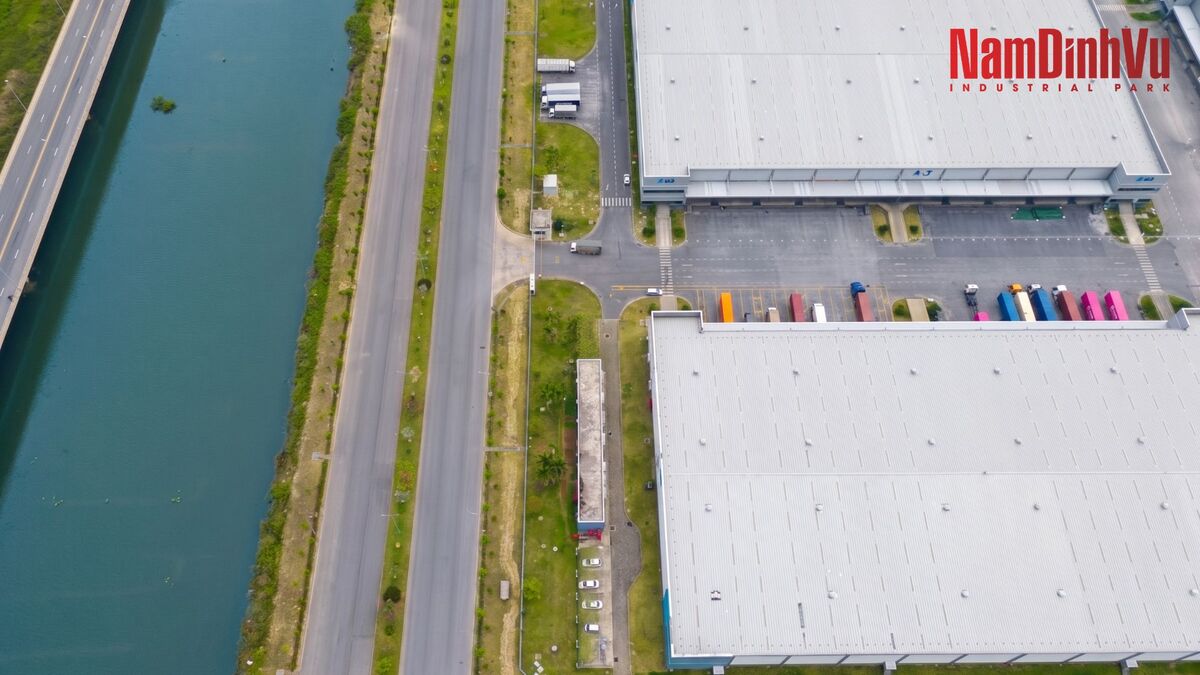
Overall, Vietnam industrial estate development is entering a new stage defined by regional specialization and strategic differentiation. As industrial ecosystems continue to evolve, investors who take a more nuanced and location-specific approach will be better positioned to capture long-term value in Vietnam’s manufacturing sector.
Source: Vietnam Briefing