


The outlook for industrial real estate in Vietnam is becoming increasingly positive as the market enters 2026. Supported by strong demand, improving infrastructure, and favorable investment trends, the sector is expected to move into a new phase of accelerated development.
Strong Market Fundamentals Support Industrial Real Estate in Vietnam
Industrial real estate in Vietnam continues to show solid underlying performance, supported by sustained demand from manufacturing and logistics sectors. Occupancy rates in key industrial parks have remained high, reaching around 80–89%, reflecting the strong absorption capacity of the market. This demonstrates a stable level of demand across core industrial regions. It also suggests that the sector maintains a relatively healthy balance between supply and occupancy.
At the same time, industrial land rental prices have maintained a steady upward trend, increasing by approximately 4–5% annually. This consistent growth highlights the continued attractiveness of Vietnam as a manufacturing destination. It also indicates that demand remains stable even as the market expands. In addition, the gradual increase in pricing reflects growing confidence among developers and investors.
In terms of regional performance, the northern market recorded absorption of around 400 hectares, particularly concentrated in key industrial provinces. Meanwhile, the southern region maintained high occupancy levels, especially in major industrial hubs where demand is closely linked to logistics and e-commerce growth. This variation between regions highlights the diverse dynamics within the market. It also reinforces the importance of regional strengths in shaping overall performance.
Infrastructure and Planning Drive New Growth Opportunities
Infrastructure development is playing an increasingly important role in shaping the growth of industrial real estate in Vietnam. Large-scale projects are not only improving connectivity but also creating new industrial zones and redistributing economic activity across regions. This transformation is gradually redefining how different locations are positioned within the industrial landscape. It also highlights the growing importance of infrastructure as a foundation for long-term development.
The expansion of transport networks, including airports, seaports, and highways, is helping to reduce logistics costs and improve supply chain efficiency. This creates more favorable conditions for industrial development and enhances the competitiveness of different regions. At the same time, improved connectivity allows businesses to optimize their operations across multiple locations. It also contributes to a more flexible and resilient supply chain structure.
At the same time, planning strategies are opening up new opportunities for industrial expansion. The development of new industrial zones, combined with improved infrastructure, is expected to support the next phase of market growth. These changes are gradually forming a more interconnected and efficient industrial ecosystem across the country. This approach also encourages better coordination between regions. Over time, it may help create a more balanced distribution of industrial activities nationwide.
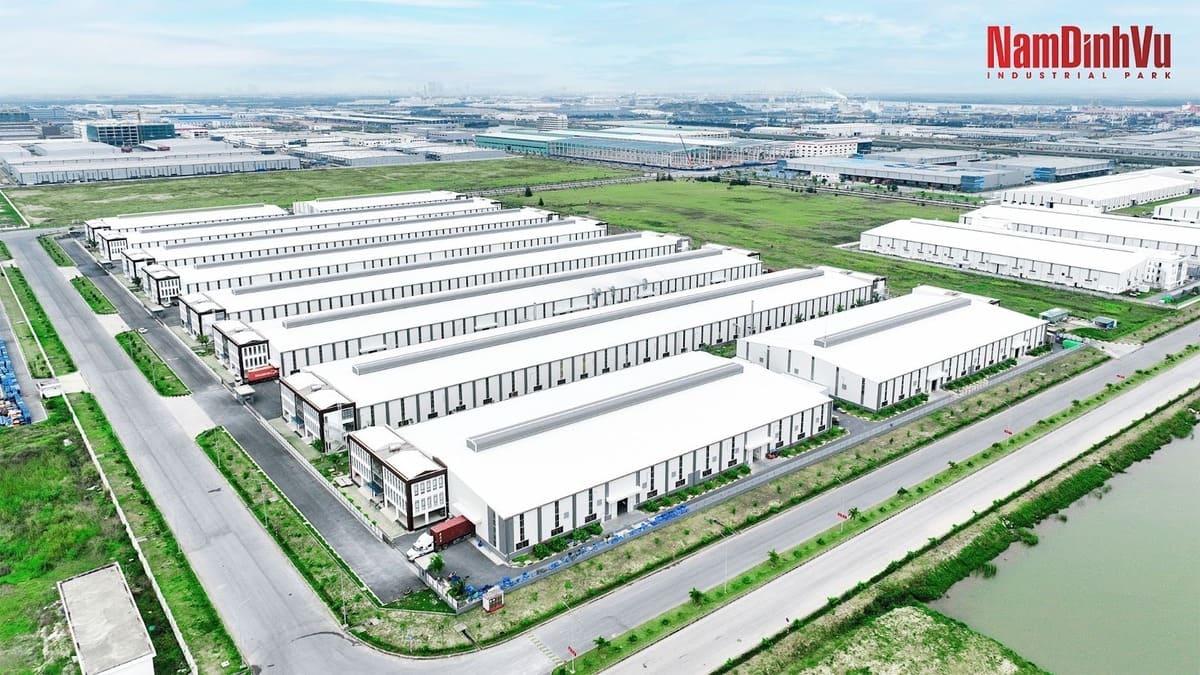
FDI and Global Supply Chains Continue to Boost the Market
Foreign direct investment remains a key driver of industrial real estate in Vietnam, particularly as global manufacturers continue to diversify their supply chains. The “China +1” strategy has played a significant role in attracting multinational corporations to Vietnam, reinforcing the country’s position in global production networks. This trend reflects the broader restructuring of global manufacturing activities. It also highlights Vietnam’s growing relevance in international supply chains.
This trend is expected to continue in 2026, with Vietnam benefiting from its strategic location, competitive labor costs, and expanding industrial infrastructure. As a result, demand for industrial land and ready-built facilities is likely to remain strong across key regions. These advantages continue to support the country’s appeal among foreign investors. They also contribute to maintaining stable investment inflows over time.
In addition, the shift toward higher-value manufacturing and more advanced production activities is further supporting the long-term growth of the sector. This creates opportunities not only for expansion but also for improving the overall quality and efficiency of industrial developments. It also signals a gradual move up the value chain in Vietnam’s industrial sector. Over time, this transition is expected to strengthen the competitiveness of the market.
In conclusion, industrial real estate in Vietnam is well-positioned for a new phase of growth in 2026, supported by strong market fundamentals, infrastructure development, and sustained FDI inflows. As these factors continue to align, the sector is expected to maintain its role as one of the most dynamic segments of the country’s real estate market.
Source: VIETNAM.VN