


Choosing the right Vietnam industrial park has become one of the most important strategic decisions for manufacturers entering or expanding in Vietnam. Beyond land pricing and tax incentives, investors are increasingly focusing on operational stability, infrastructure reliability, expansion flexibility, and regulatory efficiency. As Vietnam strengthens its position in global supply chains, industrial park selection is becoming more closely tied to long-term scalability and execution efficiency.
Manufacturers Focus on Long-Term Operational Stability
According to Source of Asia, experienced manufacturers increasingly approach Vietnam industrial park selection through a process of elimination rather than attraction. Instead of focusing only on tax incentives or lease pricing, companies first identify industrial parks that could create long-term operational limitations or restrict future expansion opportunities.
Manufacturers carefully evaluate factors such as remaining land bank availability, expansion rights within lease agreements, zoning restrictions related to higher power capacity or specialized production, and the availability of adjacent plots for future scaling. These considerations are becoming increasingly important as businesses seek industrial locations capable of supporting multi-phase expansion over time.
While some industrial parks may initially appear attractive, operational limitations often emerge later when production volumes increase or factory upgrades require additional utility capacity and land resources. Once construction is completed, relocation becomes significantly more disruptive and expensive. As a result, manufacturers are prioritizing industrial parks that can provide long-term operational flexibility and infrastructure stability.
Utility reliability has also become a key factor in the site selection process. Investors increasingly favor industrial parks with stable electricity supply, reliable water systems, wastewater treatment infrastructure, and environmental compliance capabilities rather than focusing solely on lower lease costs. According to Vietnam Construction, foreign investors are placing greater importance on environmentally friendly and infrastructure-ready industrial parks over projects competing mainly on pricing advantages.
Manufacturers also continue paying close attention to labor accessibility, logistics connectivity, and surrounding infrastructure development. These factors are playing a larger role in determining long-term operating efficiency and supply chain resilience across Vietnam’s industrial market.
Governance, Lease Structure, and Hidden Costs Become Key Decision Factors
Industrial park developers are now playing a much larger role beyond simply leasing industrial land. According to Source of Asia, developers increasingly act as coordination bridges between tenants and local authorities, directly influencing licensing efficiency, compliance procedures, and administrative transparency throughout the investment process.
Manufacturers therefore closely review service fee transparency, rent escalation clauses, developer responsiveness, experience supporting foreign-invested enterprises, and environmental or fire safety coordination capabilities. These factors are becoming increasingly important as businesses seek to minimize administrative risks and avoid operational disruptions after project implementation.
The report also emphasized that lower land pricing does not necessarily translate into lower long-term operating costs. Instead of evaluating industrial parks based only on headline lease rates, businesses are increasingly focusing on total operational efficiency and execution stability. Hidden expenses related to utility connection fees, compliance upgrades, delayed approvals, and infrastructure limitations can significantly increase actual project costs over time.
Approval sequencing has also become a major concern for manufacturers establishing factories in Vietnam. Most projects require Investment Registration Certificates (IRC), Enterprise Registration Certificates (ERC), construction permits, environmental approvals, and fire safety approvals. These procedures must follow the correct sequence and align with the final factory design to avoid costly delays during implementation.
As a result, many companies now conduct more detailed technical and regulatory assessments before finalizing industrial park agreements. Manufacturers increasingly recognize that mistakes involving power capacity allocation, wastewater treatment requirements, environmental classification, or unclear expansion rights can become extremely difficult and expensive to correct once construction begins.
Local Advisors and Infrastructure Planning Support Faster Implementation
Source of Asia noted that local advisors provide the greatest value when they become involved before lease contracts are signed and factory designs are finalized. Early-stage advisory support helps manufacturers maintain greater flexibility during the industrial park evaluation process while reducing the risk of execution problems later in the project lifecycle.
Local advisors commonly support investors with industrial park screening, lease negotiation, utility capacity verification, approval sequencing, regulatory coordination, and communication with developers and local authorities. Their involvement helps manufacturers better understand operational risks, infrastructure limitations, and administrative requirements before major investment decisions are finalized.
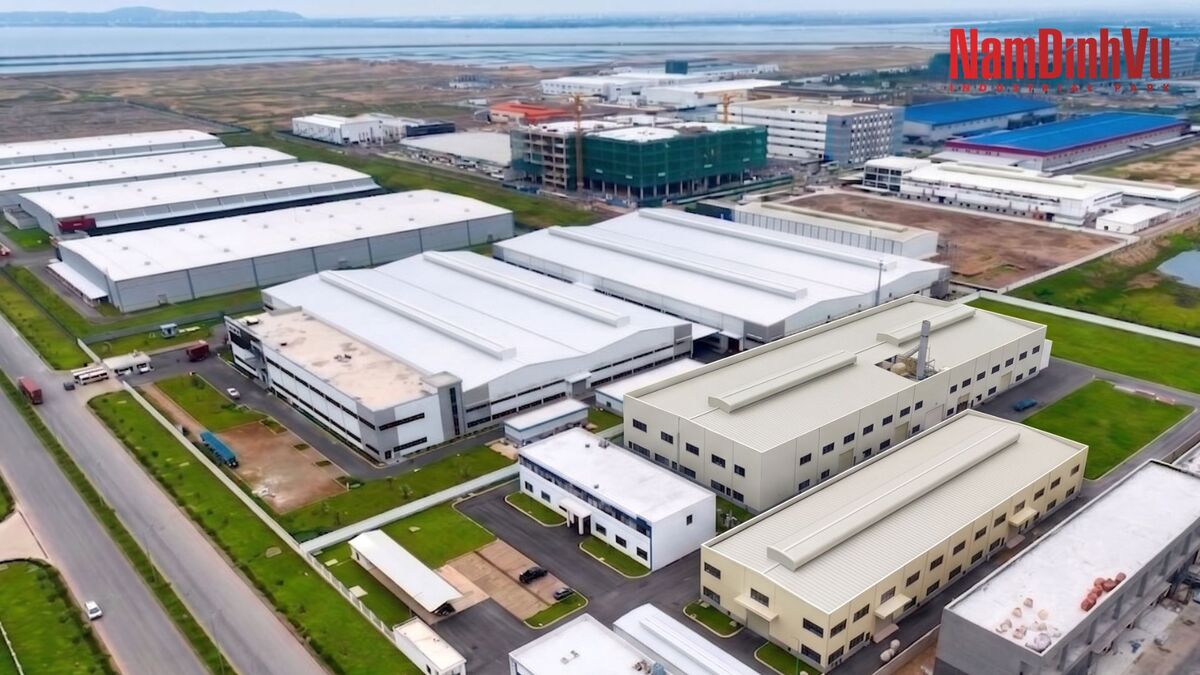
Early advisory involvement also helps align technical factory planning with environmental and regulatory approval requirements. This can reduce the risk of redesign, regulatory reclassification, or construction delays during implementation. Manufacturers increasingly recognize that proper coordination between factory planning and approval procedures plays an important role in maintaining project timelines and operational readiness.
According to the report, several strategic decisions become particularly difficult to reverse once construction begins. These include selecting industrial parks with limited expansion potential, accepting unclear service fee structures, finalizing factory designs before confirming environmental approvals, or choosing locations that do not align with labor supply and supplier ecosystems.
As Vietnam continues attracting foreign manufacturers under regional diversification and China+1 strategies, industrial park selection is increasingly evolving into a long-term operational decision rather than a short-term real estate transaction. Manufacturers are now placing greater emphasis on execution readiness, scalability, infrastructure quality, and operational resilience when evaluating Vietnam industrial park opportunities.
Source: Source of Asia