


Vietnam’s industrial growth is placing new expectations on the country’s industrial zones. In 2026, a Vietnam industrial zone list reflects a market moving beyond conventional manufacturing space toward more integrated ecosystems, where technology, logistics, green energy, innovation, and skilled human resources are becoming increasingly important.
Vietnam’s Industrial Growth Creates New Demands for Industrial Zones
Vietnam’s industrial sector maintained solid growth during the first half of 2026. The country’s Industrial Production Index (IIP) increased 10.8% year-on-year, while manufacturing, which remained the primary growth engine, expanded by 11.4% over the same period. This performance highlights the continuing importance of industry to Vietnam’s economic development.
At the same time, the global environment surrounding industrial development is becoming more complex. Intensifying strategic competition, growing trade protectionism, geopolitical tensions, and the continued restructuring of global supply chains are creating new challenges. Vietnam therefore faces the task of maintaining industrial growth while also strengthening its competitiveness.
These pressures are also changing the requirements placed on the country’s industrial parks. Uneven growth among provinces, increasing demands for energy security and infrastructure development, the need for high-quality foreign direct investment, and the transition toward greener and more sustainable production models are among the challenges facing Vietnam’s industrial park system.
Industrial Zones Are Moving Beyond Manufacturing Space
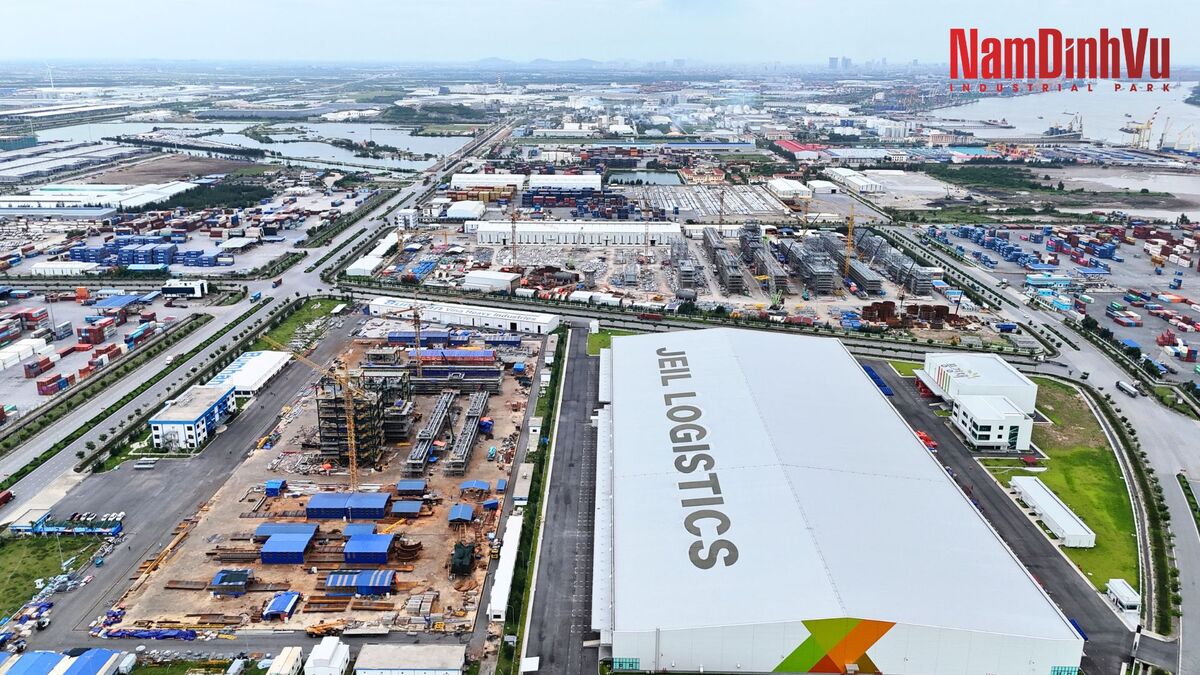
Industrial parks can no longer be viewed simply as locations that provide manufacturing space. The emerging model is an integrated industrial ecosystem that brings together technology, innovation, logistics, green energy, and a highly skilled workforce. This shift is becoming increasingly important as Vietnam seeks to attract higher-value foreign investment.
Infrastructure is a central part of this transformation. Instead of focusing only on industrial land, the development of industrial parks needs to support a broader range of requirements associated with modern manufacturing and investment. This creates a stronger connection between industrial infrastructure and Vietnam’s ability to compete for increasingly sophisticated investment projects.
The transition also reflects broader pressures on Vietnam’s industrial sector. Maintaining growth alone is no longer sufficient as international competition for investment intensifies. Industrial parks must strengthen their ability to support technology, sustainable production, reliable infrastructure, and the human resources required by higher-value industries.
Technology and Sustainability Shape the Next Generation
Technology is expected to play a greater role in the operation and competitiveness of Vietnam’s industrial parks. The new industrial ecosystem model places technology and innovation alongside traditional industrial infrastructure, helping industrial parks respond to the changing requirements of international manufacturers.
Green energy is another important component of this emerging model. As pressure increases for greener and more sustainable production, industrial parks need to adapt their infrastructure and development approach accordingly. Energy security and the transition toward sustainable production have therefore become important challenges for Vietnam’s industrial park system.
Human resources complete this broader industrial ecosystem. A highly skilled workforce, together with technology, innovation, logistics, and green energy, can help industrial parks move beyond their conventional role as manufacturing locations. For investors examining a Vietnam industrial zone list, these factors increasingly help explain the difference between traditional industrial space and the next generation of industrial development.
In conclusion, a Vietnam industrial zone list can provide a starting point for understanding the country’s manufacturing landscape, but Vietnam’s industrial development is undergoing a broader transformation. Strong industrial performance in the first half of 2026 is being accompanied by new demands involving infrastructure, energy security, technology, sustainability, and investment quality.
As industrial parks evolve from manufacturing locations into integrated ecosystems, their role is expanding to support technology, innovation, logistics, green energy, and skilled human resources. This transition will be increasingly important as Vietnam seeks to sustain industrial growth and strengthen its competitiveness in a changing global investment environment.
Source: Vietnamnet