


Vietnam’s industrial real estate market is entering a new stage of development as foreign investors become increasingly selective. While competitive land prices, low labor costs, and tax incentives once fueled rapid industrial expansion, developers are now expected to deliver higher-quality projects that meet evolving investment requirements. For businesses exploring industrial land for lease Vietnam, today’s market is increasingly defined by sustainable development, modern infrastructure, and long-term operational value rather than traditional cost advantages alone.
Industrial Land for Lease Vietnam Is Moving Beyond Traditional Advantages
For more than two decades, Vietnam’s industrial real estate sector has benefited from three key competitive strengths: affordable industrial land, competitive labor costs, and attractive tax incentives. These factors helped establish Vietnam as one of Asia’s leading manufacturing destinations and attracted successive waves of foreign direct investment (FDI). However, industry experts believe these advantages alone are no longer enough to secure the next generation of global investment.
According to Avison Young Vietnam, investors today are placing greater emphasis on industrial parks that can support advanced manufacturing sectors such as technology, energy, and digital industries. Rather than simply securing available land, manufacturers increasingly seek industrial environments that offer specialized infrastructure, improve operational efficiency, and integrate supporting industries into a broader production ecosystem. Lease expectations have also evolved, with many investors now preferring lease terms of at least 35 years, compared with the traditional 25–30-year period.
At the same time, Vietnam’s industrial park supply continues to expand. FPT Securities (FPTS) forecasts that industrial land supply will increase by approximately 14% by 2028. However, development costs are also rising rapidly. Land clearance and construction expenses have increased by 25% to more than 81%, while developing green and smart industrial parks requires investment levels approximately 20–30% higher than conventional projects. These changes indicate that long-term competitiveness will increasingly depend on development quality rather than land availability alone.
Higher Standards Are Reshaping Industrial Investment
As industrial investment becomes more sophisticated, manufacturers are evaluating projects based on long-term operational performance rather than short-term cost advantages. FPTS notes that environmental, social and governance (ESG) standards, low-carbon production, reliable energy infrastructure, and operational efficiency have become increasingly important factors in industrial site selection.
Despite the continued expansion of industrial land supply, rental prices are expected to maintain a steady upward trend. Industrial land rents across Vietnam are forecast to increase by approximately 2–3% per year, with Northern Vietnam projected to record stronger growth than the southern region. This outlook is supported by the region’s relatively lower rental base and its growing appeal to global manufacturers, including major technology supply chains.
These changing investment priorities are encouraging the industrial real estate sector to focus more heavily on sustainable infrastructure and higher-quality industrial environments. Rather than competing primarily through pricing or investment incentives, future competitiveness is expected to be driven by infrastructure quality, environmental performance, operational efficiency, and the ability to support long-term manufacturing activities.
Sustainable Development Becomes the Market’s New Direction
The transformation of Vietnam’s industrial real estate market demonstrates that developers are increasingly investing in higher-quality industrial parks rather than relying solely on traditional cost advantages. Across the market, new industrial developments are incorporating renewable energy solutions, water recycling systems, emissions reduction initiatives, automation, and digital technologies to better meet the evolving requirements of international manufacturers.
This shift is also reflected in the growing supply of modern industrial facilities. Developers continue expanding industrial land while investing in ready-built factories, green warehouses, and production spaces designed to internationally recognized sustainability standards. At the same time, integrated service ecosystems and supporting infrastructure are becoming increasingly important in helping manufacturers improve operational efficiency and strengthen long-term competitiveness.
Market performance further reinforces this direction. Strong industrial land leasing activity during the first quarter of 2026, together with consistently high occupancy rates in modern factory developments, suggests that investors are placing greater emphasis on location, infrastructure quality, sustainable operations, and long-term production value. As competition continues to intensify, industrial parks capable of delivering these advantages are expected to remain well positioned to attract the next generation of manufacturing investment.
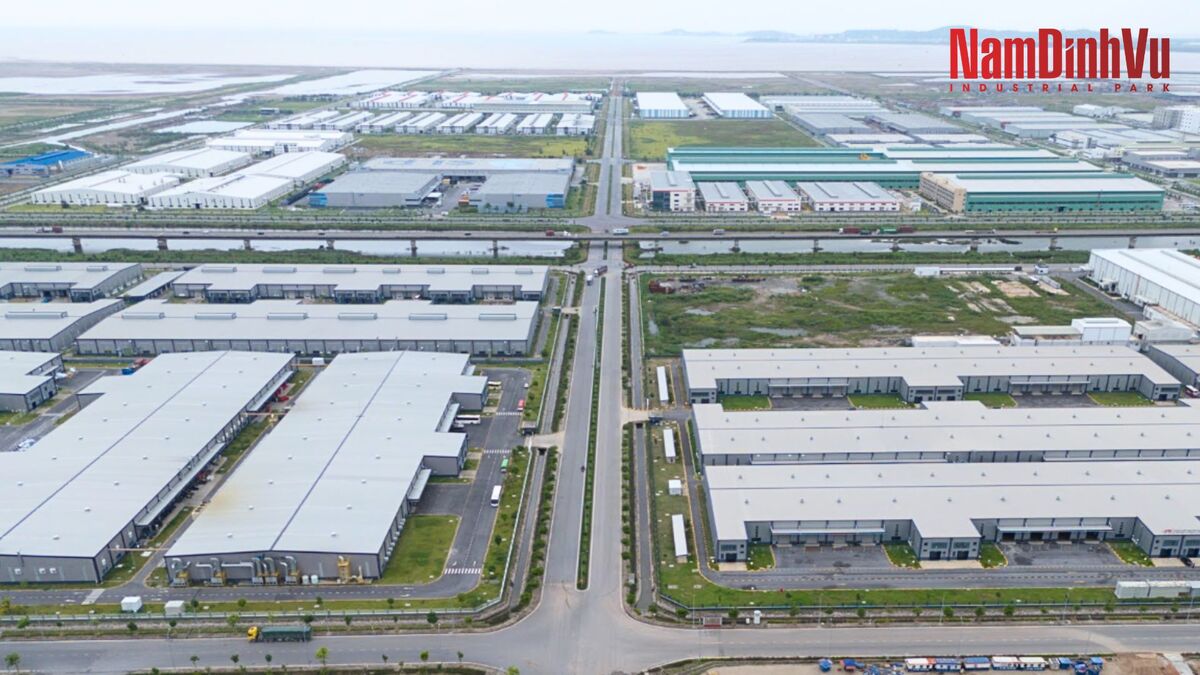
In conclusion, Vietnam’s industrial real estate market is entering a new phase in which sustainable development, infrastructure quality, and operational efficiency are becoming the primary drivers of competitiveness. Although industrial land supply continues to expand, investor expectations are also rising, encouraging the development of smarter, greener, and more integrated industrial environments. For businesses evaluating industrial land for lease Vietnam, these market trends highlight a clear transition toward industrial parks that can support long-term manufacturing growth while meeting the evolving demands of global investors.
Source: The Investor