


Industrial Land Lease Term Vietnam
Vietnam’s industrial real estate market is evolving alongside the changing needs of global manufacturers. While an industrial land lease term in Vietnam remains an important consideration, long-term site selection increasingly depends on the wider ecosystem surrounding a project, from infrastructure and logistics to workforce, sustainability, and opportunities for future expansion.
Industrial Site Selection Is Moving Beyond Land and Cost
Vietnam continues to attract substantial international investment. In the first half of 2026, the country recorded more than $34.6 billion in registered foreign direct investment (FDI), an increase of nearly 61% year-on-year. Disbursed FDI reached $13.03 billion, the highest level in many years, highlighting Vietnam’s continued appeal as global supply chains realign.
At the same time, investor expectations are becoming more demanding. Land availability, physical infrastructure, and investment incentives were once among the principal factors determining the competitiveness of an industrial park. For high-tech and high-value projects, these are increasingly becoming baseline requirements rather than clear competitive advantages.
Today’s investors are looking beyond land lease costs and basic infrastructure. Access to skilled workers, capable suppliers, logistics networks, research institutions, innovation ecosystems, and sustainability performance can all influence site selection. For companies considering an industrial land lease term in Vietnam, this broader environment matters because the suitability of a location depends on its ability to support operations and expansion over the long term.
Long-Term Competitiveness Extends Beyond Industrial Park Boundaries
The changing requirements of investors are redefining the role of industrial parks. In the past, land bank size and occupancy rates were widely used as measures of success. As Vietnam focused on labor-intensive manufacturing, production space, investment costs, and basic infrastructure provided important competitive advantages.
The shift toward higher-quality FDI is changing that model. Semiconductor plants, research centers, and other high-tech investments need more than space for production. Their long-term success can depend on access to qualified engineers, local supplier networks, logistics infrastructure, research capabilities, and an environment capable of supporting innovation and expansion.
Industrial parks are therefore increasingly expected to connect businesses with resources beyond their physical boundaries. Roads, electricity, and water remain essential, but the wider ecosystem can determine whether high-quality investment can be attracted and retained. This makes the long-term characteristics of an industrial location particularly relevant when investors assess where to establish and grow their operations.
Industrial Ecosystems Are Becoming Part of the Long-Term Investment Equation
Competition for investment is also shifting from individual industrial parks toward broader regional ecosystems. High-tech manufacturing, semiconductor projects, and data centers increasingly depend on connections with logistics systems, digital infrastructure, research institutions, financial services, and regional business networks.
Sustainability is becoming part of this transformation. Eco-industrial parks are designed not only to improve resource efficiency and reduce emissions but also to strengthen governance, enhance business services, encourage industrial symbiosis, facilitate access to green finance, and meet international standards increasingly considered by multinational corporations when choosing investment locations.
As differences in land availability, infrastructure, and rental costs narrow across locations, service quality and long-term investor support can become increasingly important differentiators. Industrial park development is therefore moving beyond providing infrastructure for lease toward supporting businesses through investment procedures, logistics connectivity, operations, and future expansion. For investors evaluating an industrial land lease term in Vietnam, these capabilities provide important context for assessing whether a location can continue supporting the business throughout its project lifecycle.
In conclusion, an industrial land lease term in Vietnam should be considered within the broader context of long-term site selection. The attractiveness of an industrial location increasingly depends not only on land and infrastructure but also on workforce availability, supplier networks, logistics, innovation, sustainability, and the capacity to support future business expansion.
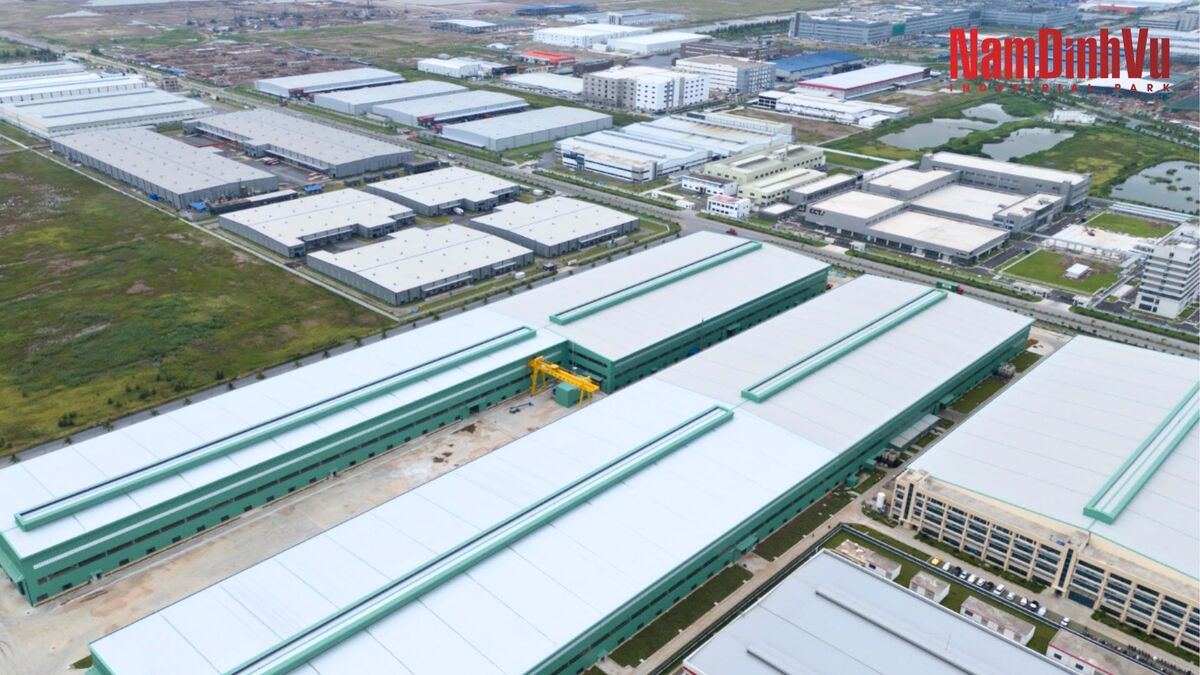
As Vietnam continues attracting higher-value investment, industrial parks are evolving from places that provide manufacturing space into ecosystems designed to create value throughout an investor’s project lifecycle. For long-term investors, understanding that wider environment can be just as important as evaluating the land itself.
Source: VnEconomy