


As Vietnam continues to attract manufacturing and logistics investment, understanding industrial real estate has become increasingly important for businesses planning expansion. Whether establishing a production facility, distribution center, or warehouse, companies evaluating industrial land Vietnam lease opportunities should first understand the characteristics, property types, and operational requirements that define industrial real estate.
Understanding Industrial Real Estate
Industrial real estate is developed to support manufacturing, production, storage, and distribution activities. It includes not only industrial land and buildings but also the facilities and equipment required to transform raw materials into finished products. As manufacturing technologies and supply chains continue to evolve, industrial properties have become an essential part of modern industrial operations.
Industrial real estate covers a wide range of property types designed for different business needs. These include warehouse facilities, manufacturing buildings, office showrooms, flex space, and research and development (R&D) facilities. Each serves a specific operational purpose, from production and storage to product development and distribution.
As industrial activities become more specialized, property requirements also continue to evolve. Warehouses, distribution centers, and R&D facilities now play an increasingly important role alongside manufacturing buildings, allowing businesses to improve operational efficiency and better support integrated supply chains.
Key Characteristics of Industrial Properties
Industrial properties are designed primarily for operational efficiency. Unlike facilities intended for customer-facing activities, industrial buildings are planned to accommodate manufacturing processes, storage, logistics, and distribution. Features such as high ceilings, open floor layouts, loading docks, and large storage areas help businesses optimize production and goods movement.
Location is another important consideration when selecting industrial property. Industrial facilities are commonly positioned close to suppliers, transportation routes, ports, and distribution hubs to improve connectivity and support efficient supply chain operations. Access to transportation infrastructure remains an important factor in supporting day-to-day industrial activities.
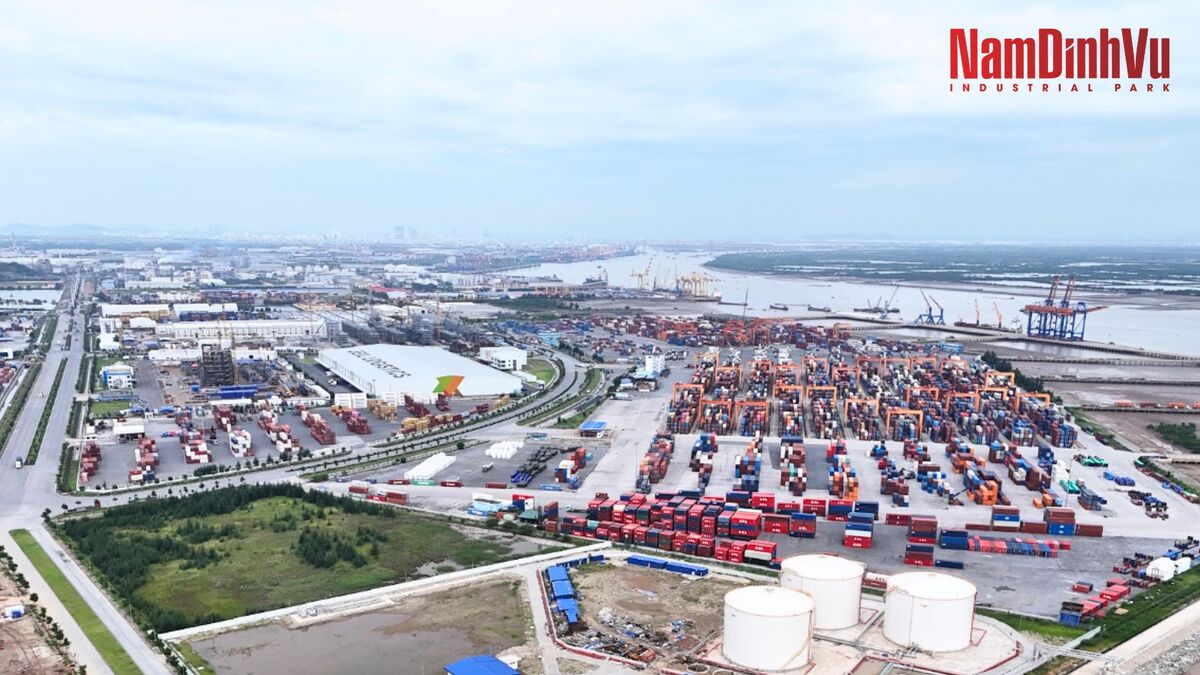
Industrial buildings also require specialized technical infrastructure. Depending on operational requirements, facilities may incorporate higher electrical capacity, dedicated utility systems, and enhanced safety measures to support manufacturing equipment, industrial machinery, and production processes. These technical features help distinguish industrial facilities from other business properties while supporting more complex operational needs.
Selecting the Right Industrial Property
Choosing the right industrial property depends on a company’s operational objectives and facility requirements. Businesses involved in manufacturing, warehousing, logistics, research, or distribution should evaluate whether a property can support current production activities while providing flexibility for future growth. Understanding the intended function of different industrial property types is an important step in making an informed leasing decision.
When evaluating industrial land Vietnam lease opportunities, businesses should also consider how a property’s design supports operational performance. Building layout, loading facilities, transportation connectivity, technical infrastructure, and available operational space all contribute to the efficiency of daily business activities and long-term production planning.
Industrial real estate encompasses a broad range of specialized property types, each designed to meet different operational requirements. Understanding these characteristics enables businesses to evaluate industrial properties more effectively and select facilities that align with their manufacturing, logistics, storage, or research needs.
In conclusion, industrial real estate plays a vital role in supporting manufacturing, logistics, storage, research, and distribution activities through purpose-built facilities and specialized infrastructure. Understanding the different industrial property types, their operational characteristics, and technical requirements allows businesses to make more informed leasing decisions. For companies exploring industrial land Vietnam lease, evaluating these factors provides a stronger foundation for selecting industrial facilities that support both current operations and long-term business growth.
Source: Industrial Savills