


Industrial Warehouse Vietnam
Vietnam’s industrial warehouse market continued expanding in Q1/2026 as logistics operators, e-commerce companies, manufacturers, and distribution businesses accelerated demand for modern storage facilities across key industrial provinces. Rising trade activity, supply chain diversification, and improving infrastructure continued supporting strong occupancy levels in both Northern and Southern Vietnam. The market also benefited from Vietnam’s growing role in regional manufacturing and international trade networks. As supply chains became more diversified, many businesses continued prioritizing warehouse locations with strong connectivity and operational flexibility.
Southern Vietnam Remains the Largest Warehouse Market
Southern Vietnam continued leading the country’s industrial warehouse sector, particularly in Ho Chi Minh City, Dong Nai, and Tay Ninh. The region remained a major logistics and consumption hub thanks to its dense population, strong manufacturing ecosystem, and extensive port connectivity. The market continued benefiting from stable demand across both domestic distribution and export-related activities. Many businesses also prioritized Southern Vietnam due to its established industrial ecosystem and strong access to transportation infrastructure.
Warehouse demand in the South was mainly driven by:
- E-commerce and retail distribution
- FMCG supply chains
- Cold storage operations
- Export logistics activities
These sectors continued requiring modern warehouse facilities with flexible layouts and convenient highway access. Demand also remained relatively stable as companies focused more on inventory optimization and supply chain efficiency in key industrial provinces. Industrial developers also continued expanding warehouse projects in locations with strong logistics potential and access to major transportation routes.
In Q1/2026, industrial warehouse rental prices in Southern Vietnam ranged from approximately USD 3.5–5.0/sqm/month, while occupancy rates remained high at around 80–90%. The relatively high occupancy level reflected sustained leasing demand despite the continued addition of new industrial supply in several provinces. Market activity remained concentrated in locations with strong logistics connectivity and access to major consumer markets. Leasing demand also remained active among companies looking to strengthen regional distribution capabilities and improve delivery efficiency.
Dong Nai and Tay Ninh increasingly attracted businesses seeking more competitive leasing costs and larger warehouse footprints compared to Ho Chi Minh City. These provinces continued benefiting from expanding infrastructure networks and stronger regional logistics connectivity. Several industrial areas in these markets also continued attracting logistics operators looking to scale operations while maintaining cost efficiency. Their growing availability of industrial land and warehouse projects further supported leasing activity throughout the quarter. Investors and tenants also continued paying close attention to infrastructure upgrades and future transportation developments in these provinces.
Northern Vietnam Strengthens Export & Logistics Warehouse Demand
Northern Vietnam continued reinforcing its position as a major export manufacturing and logistics corridor, especially in Hai Phong, Bac Ninh, and Hung Yen. The region benefited from strong integration with China-linked supply chains and direct access to Lach Huyen deep-sea port infrastructure. Growing manufacturing activity across Northern Vietnam also continued supporting stable warehouse absorption throughout key industrial provinces. Many international manufacturers and logistics operators remained focused on the region due to its strategic location and improving infrastructure network.
Industrial warehouse demand in Northern Vietnam was supported by:
- Electronics exports
- High-tech manufacturing supply chains
- Import-export logistics operations
- Supporting industries and component suppliers
These sectors continued driving the need for modern warehouse facilities located near production clusters and transportation routes. Demand was particularly concentrated in industrial areas offering convenient access to ports, expressways, and major export gateways. Businesses also increasingly preferred warehouse projects capable of supporting long-term logistics efficiency and stable operational performance.
Warehouse rental prices in Northern Vietnam during Q1/2026 ranged from approximately USD 3.0–4.5/sqm/month, with occupancy rates maintaining around 85–90%. Stable occupancy levels reflected resilient leasing demand from both manufacturing and logistics-related businesses. Market activity also remained relatively active as companies continued expanding supply chain operations in the region. Industrial developers meanwhile continued monitoring warehouse demand closely as export-related industries maintained stable production activity.
Hai Phong remained one of the strongest-performing warehouse markets due to its strategic seaport advantages and growing logistics infrastructure. The city continued attracting companies involved in import-export activities and regional distribution operations. Bac Ninh and Hung Yen also continued attracting warehouse tenants thanks to their proximity to Hanoi and established industrial ecosystems. Their mature industrial infrastructure and expanding logistics connectivity continued supporting long-term warehouse demand across Northern Vietnam. Several logistics operators also continued expanding warehouse footprints in these markets to improve regional distribution efficiency and support future growth plans.
Modern Warehousing Becomes a Strategic Industrial Asset
By 2026, industrial warehouses were no longer viewed simply as storage facilities. Businesses increasingly prioritized modern warehouse systems as part of broader supply chain optimization and operational efficiency strategies. The role of warehousing continued evolving alongside changes in manufacturing, logistics, and regional trade activity across Vietnam. Companies also became more selective in choosing warehouse facilities that could support long-term operational flexibility and stable logistics performance.
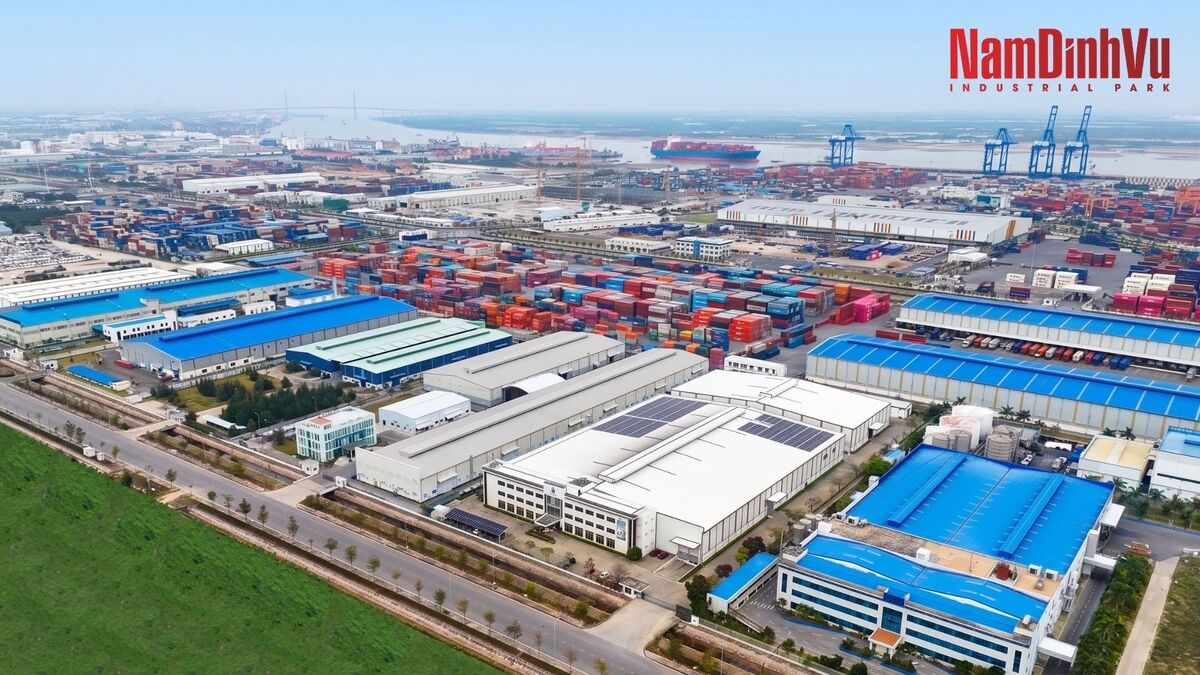
Companies favored industrial warehouse leasing because it allowed:
- Faster operational deployment
- Flexible expansion capability
- Lower upfront investment costs
- Access to modern logistics infrastructure
These advantages became increasingly important as businesses looked to respond more quickly to changing supply chain requirements and market conditions. Leasing ready-to-operate warehouse facilities also helped companies reduce the time needed for project setup and operational expansion. This approach continued becoming more common among companies seeking to maintain flexibility while optimizing operational costs in competitive industrial markets.
Developers also accelerated investment into higher-quality warehouse facilities featuring:
- Energy-efficient operations
- ESG-oriented infrastructure
- Improved loading and logistics systems
- Strategic connectivity to ports and highways
This trend reflected growing demand for modern industrial properties that could support both operational efficiency and long-term sustainability goals. Many new warehouse projects also focused more heavily on infrastructure quality, transportation accessibility, and flexible warehouse configurations to attract a wider range of tenants. Market competition meanwhile continued encouraging developers to improve warehouse specifications and expand value-added logistics services across industrial regions.
In conclusion, as Vietnam continues attracting manufacturing investment and global supply chain relocation, demand for industrial warehouse for lease Vietnam is expected to remain strong throughout 2026, particularly in key logistics and export-oriented industrial corridors. Ongoing infrastructure expansion and stable industrial activity are also expected to continue supporting long-term warehouse market growth across the country.
Source: See The Space