


The industrial land rental Vietnam market is increasingly being shaped by sustainability requirements as foreign investors place greater emphasis on renewable energy, low-carbon manufacturing, and environmental compliance. As global regulations become stricter, green industrial parks are emerging as a key factor influencing investment decisions and strengthening Vietnam’s position as a leading manufacturing destination in Asia.
Green Standards Are Reshaping Industrial Location Decisions
Sustainability has become a critical consideration for multinational corporations seeking production locations. According to industry data, approximately 80% of FDI enterprises prioritize industrial parks equipped with green energy infrastructure when selecting investment destinations. This trend reflects the growing importance of environmental performance in global supply chains. As sustainability expectations continue to evolve, environmental considerations are becoming increasingly integrated into long-term business planning. The shift is also encouraging industrial stakeholders to pay closer attention to infrastructure quality and operational efficiency.
One of the main drivers behind this shift is the European Union’s Carbon Border Adjustment Mechanism (CBAM). Since 2025, the mechanism has been fully applied to sectors including steel, aluminum, cement, and electricity, requiring exporters to report greenhouse gas emissions associated with their products. Beginning in 2026, importers must also verify emissions data and purchase CBAM certificates corresponding to the embedded emissions of imported goods. Companies that can demonstrate an existing carbon price paid during production may qualify for deductions. These regulatory developments are creating new considerations for companies engaged in international trade. As global markets continue to emphasize transparency, compliance requirements are expected to remain an important factor for exporters.
As a result, businesses are paying closer attention to the environmental credentials of industrial parks when evaluating industrial land rental Vietnam opportunities. The ability to meet sustainability expectations is increasingly viewed as part of long-term operational readiness. This trend is gradually influencing investment strategies across multiple manufacturing sectors.
Renewable Energy Demand Continues to Rise
In parallel with regulatory changes, global sustainability initiatives are accelerating the transition toward cleaner production. Programs such as RE100, which encourages companies to operate using 100% renewable electricity, are placing increasing pressure on manufacturing supply chains. Major multinational corporations including Samsung Electronics, Apple, and Intel have committed to transitioning entirely to renewable energy, prompting suppliers to align with these goals. These commitments are contributing to broader changes across global production networks. As a result, renewable energy considerations are becoming more closely linked with supply chain competitiveness.
The Vietnam Energy Association forecasts that renewable energy demand within industrial parks could account for 25–30% of total industrial electricity consumption by 2030. Beyond renewable power, enterprises are also seeking Energy Attribute Certificates (EACs) to support sustainability reporting and emissions accounting requirements. The growing demand for cleaner energy solutions reflects a wider shift in corporate sustainability priorities. Businesses are also paying greater attention to tools that can help demonstrate compliance with environmental commitments.
These developments are encouraging industrial park developers to invest in green infrastructure, creating additional value for tenants looking for long-term production locations. Such investments are increasingly viewed as part of a broader strategy to enhance competitiveness and attract investment. The trend also highlights the growing role of sustainability in industrial development planning.
Industrial Parks Remain a Core Destination for FDI
Industrial parks continue to play a central role in Vietnam’s foreign investment landscape. According to data from the Foreign Investment Agency under the Ministry of Finance, Vietnam had more than 500 industrial parks by the end of 2025, covering a total planned area of approximately 145,000 hectares. Average occupancy rates exceeded 75%, highlighting strong demand from domestic and international manufacturers. These figures demonstrate the continued importance of industrial zones in supporting economic development. They also reflect the sustained interest of investors in Vietnam’s manufacturing sector.
These industrial parks account for roughly 35–40% of newly registered FDI nationwide. In the manufacturing and processing sector, industrial parks attract an even larger share, with 70–80% of registered investment capital concentrated within these zones. The concentration of investment highlights the strategic role of industrial parks within Vietnam’s industrial ecosystem. This pattern has remained an important characteristic of the country’s investment landscape in recent years.
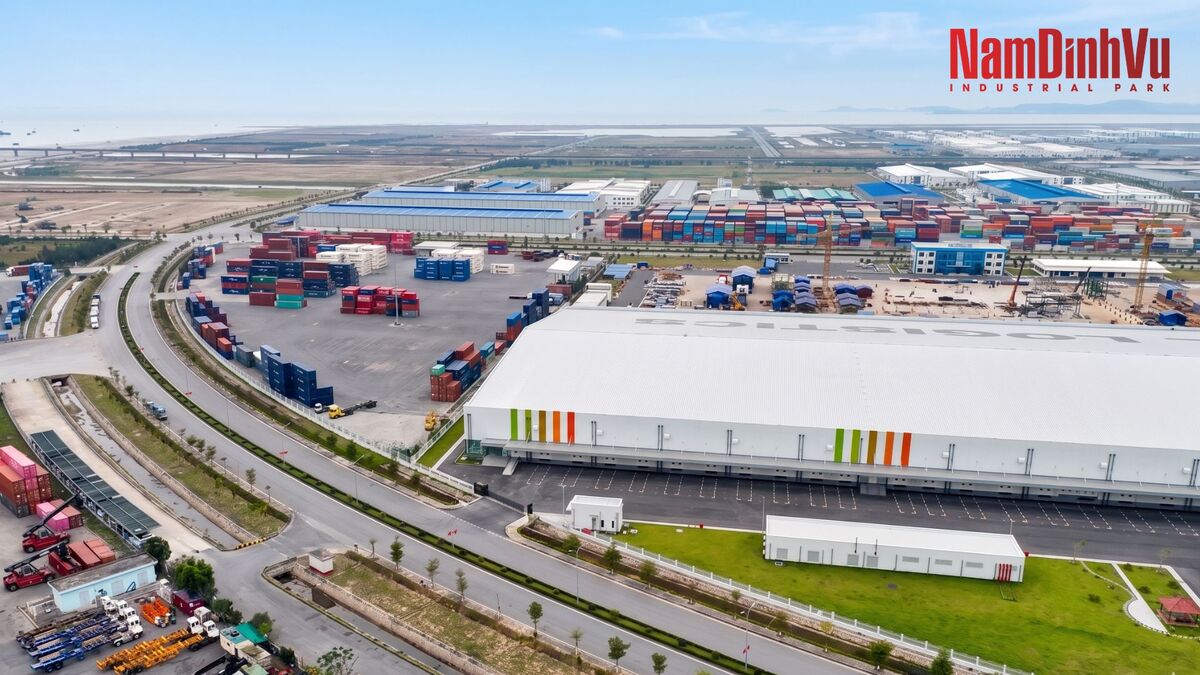
However, evolving global requirements such as CBAM and corporate renewable energy commitments are creating new expectations for industrial park operators. To maintain competitiveness and continue attracting high-quality investment, industrial parks are increasingly accelerating their transition toward greener and more sustainable operating models. This transition is becoming an important consideration for both developers and investors. As market expectations continue to change, sustainability-related upgrades are likely to remain a key area of focus across the sector.
In conclusion, the future of industrial land rental Vietnam is becoming closely linked to sustainability performance. As environmental regulations, renewable energy commitments, and carbon reporting requirements continue to influence global investment decisions, green industrial parks are expected to play an increasingly important role in attracting FDI and supporting Vietnam’s long-term industrial growth.
Source: Vietnam News